Bahia
African Soul
Salvador's cobblestoned Pelourinho, capoeira on the beach, Afro-Brazilian cuisine, and the spiritual energy of Candomblé. Bahia is where Brazil's African heritage lives most vividly.
We also reach Morro de São Paulo and Itacaré, with the Txai resort among the stays, arriving via Salvador (SSA).
Culture Seekers · Beach Lovers · Food Enthusiasts · History Buffs
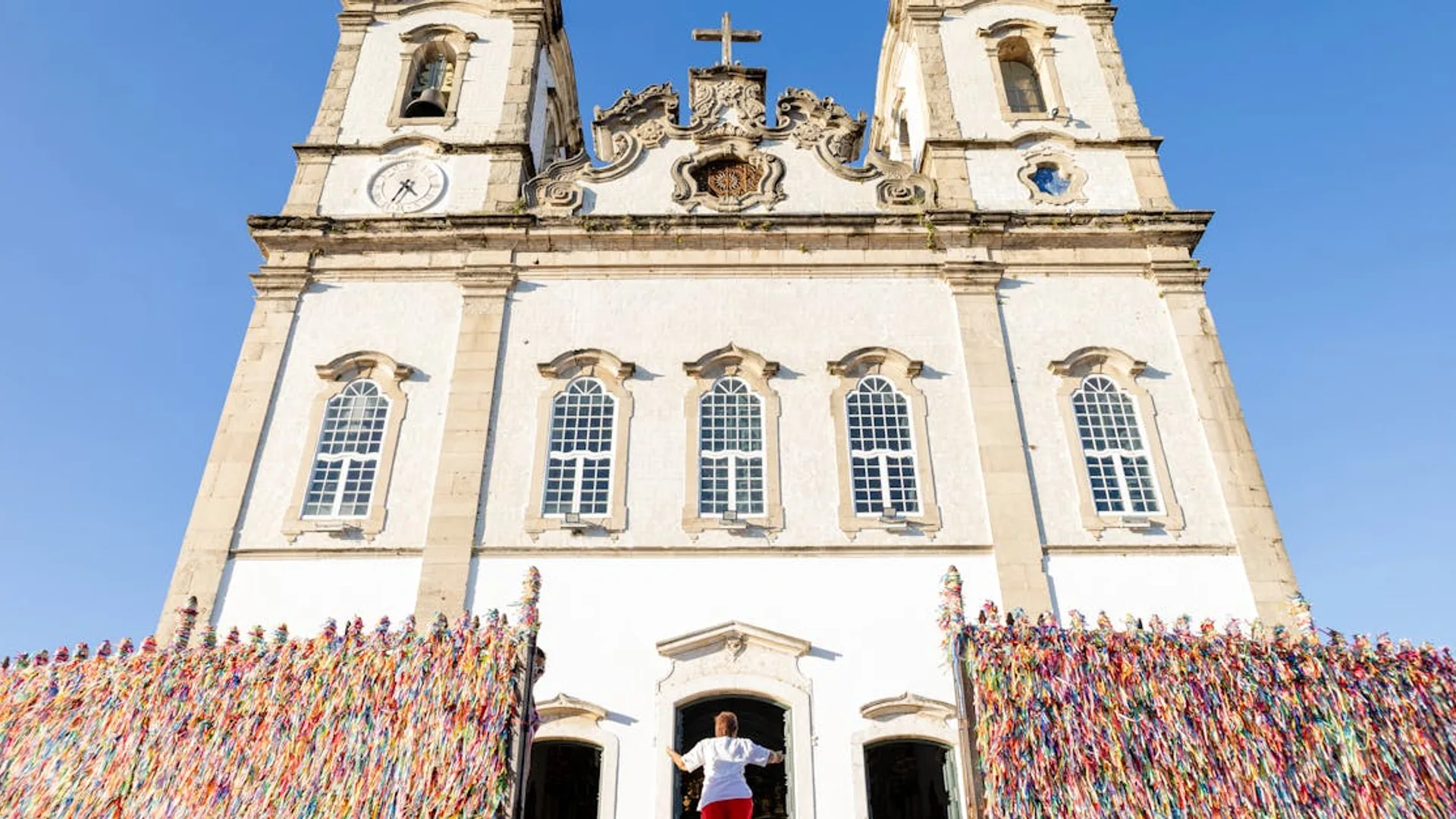
Colonial charm and beach luxury.
Uxua Casa Hotel
Trancoso's most coveted address: 10 unique casas.
- Quadrado location
- Almasol pool
- Beach club
Fasano Trancoso
Clifftop luxury above the Bahian coast.
- Infinity pool
- Spa
- Private beach
Convento do Carmo
A 16th-century convent reborn as a luxury hotel.
- Salvador location
- Colonial architecture
- Rooftop pool
Afro-Brazilian cuisine at its most soulful.
- 01Moqueca de peixe (coconut fish stew)
- 02Acarajé street food in Salvador
- 03Bahian cooking class with local matriarchs
- 04Beach lunch at a barraca in Trancoso
Where spirituality and beauty merge.
- 01Capoeira circle on the beach at sunset
- 02Pelourinho at dawn before the crowds
- 03Drumming ceremony in Salvador
- 04Whale watching off Praia do Espelho
Luxury Properties in Bahia
Exceptional properties in Bahia, selected for their distinction and service
Tours & Activities
Top-rated experiences in Bahia
Interested in any experience? Our advisors arrange everything — private access, preferred timing, and seamless coordination with your stay.
Arrange Through AurelleNo planning fees · Complimentary consultation
Frequently Asked About Bahia
What is the best time to visit Bahia?+
October to March offers the best weather for Bahia, with warm temperatures (75-85°F) and minimal rainfall, perfect for beach days and exploring Salvador's colonial streets. December through February sees the highest visitor numbers, especially around Carnival in late February or early March. April to September brings more rain and cooler temperatures, though prices drop significantly and you'll find fewer crowds at popular beaches like Morro de São Paulo. Book accommodations at least six months ahead if planning to visit during Carnival season.
How many days do you need in Bahia?+
Five to seven nights allows proper exploration of Bahia's highlights. Spend three nights in Salvador for the Pelourinho historic district, Afro-Brazilian museums, and local cuisine, then dedicate three to four nights to coastal areas like Trancoso or Itacaré for beaches and relaxation. This schedule gives you time for a day trip to Cachoeira for colonial architecture or Morro de São Paulo without feeling rushed. Add extra days if you want to experience both the northern Coconut Coast and southern Discovery Coast beaches.
What are the best luxury hotels in Bahia?+
Uxua Casa Hotel in Trancoso offers 11 individual casas with private pools, blending indigenous design with contemporary luxury in a former fishing village setting. In Salvador, the newly restored Fasano Salvador das Artes sits in a converted 1920s building with bay views and direct access to the culinary scene. For an estate experience, Txai Resort Itacaré provides beachfront bungalows with butler service on a private stretch of Atlantic coast, about two hours south of Salvador.
Is Bahia safe for tourists?+
Salvador requires standard urban precautions: avoid wearing expensive jewelry, use registered taxis or Uber rather than walking at night, and stay alert in crowded areas where pickpocketing occurs, particularly in Pelourinho after dark. Beach towns like Trancoso and Itacaré are considerably safer with lower crime rates. Solo female travelers should avoid empty beaches alone and stick to well-traveled areas after sunset. Yellow fever vaccination is recommended for travelers heading to rural areas, and tap water should be avoided throughout the region.
Is Bahia accessible for travelers with mobility challenges?+
Bahia presents significant accessibility challenges, particularly in Salvador's historic Pelourinho district with its steep cobblestone streets and colonial buildings lacking elevators. Fasano Salvador offers adapted rooms with roll-in showers, while beach resorts like Txai can accommodate wheelchairs on property but beach access remains difficult due to sand terrain. Private accessible vans must be arranged in advance through specialized operators. Most museums and churches have limited or no ramp access, making guided experiences necessary to navigate the best options.
Is Bahia good for families with children?+
Bahia works well for families with children aged eight and up who can handle walking tours and cultural experiences. Beach destinations like Praia do Forte offer calm waters, sea turtle reserves, and family-friendly resorts with kids' clubs. Salvador's history comes alive through capoeira demonstrations and Afro-Brazilian music, though younger children may tire of museum visits. The Tivoli Ecoresort Praia do Forte provides interconnecting rooms and organized activities for ages 4-12. Consider private guides for historical tours to keep content engaging and age-appropriate.
What is the one thing you should not miss in Bahia?+
Attend a candomblé ceremony or visit a terreiro (temple) with a knowledgeable cultural guide who has established community relationships. This Afro-Brazilian religion, born from West African traditions during slavery, remains central to Bahian identity and offers profound insight into the region's cultural soul beyond tourist-facing capoeira shows. Tuesday and Friday evenings typically host public ceremonies in Salvador neighborhoods like Engenho Velho. Arrange this through your hotel concierge or a specialized cultural tour operator, dress respectfully in white, and go with an open mind rather than a camera.
Journeys that rhyme with this one
Every great destination leads to another. Here are three that share the spirit of where you've been.
Ready to explore Bahia?
Let us craft a bespoke journey tailored to what you actually want from it. No planning fees, and a reply inside a day.