Hokkaido
Japan's wild north: powder snow, volcanic hot springs, and untamed nature.
Hokkaido is Japan's frontier: a land of dramatic landscapes, world-class skiing, and some of the country's finest seafood. In winter, it transforms into a powder paradise; in summer, lavender fields stretch to the horizon.
We also arrange the Ritz-Carlton Reserve at Niseko, the lavender of Farm Tomita, and Lake Toya, arriving via New Chitose (CTS).
Skiers · Nature Lovers · Hot Spring Seekers
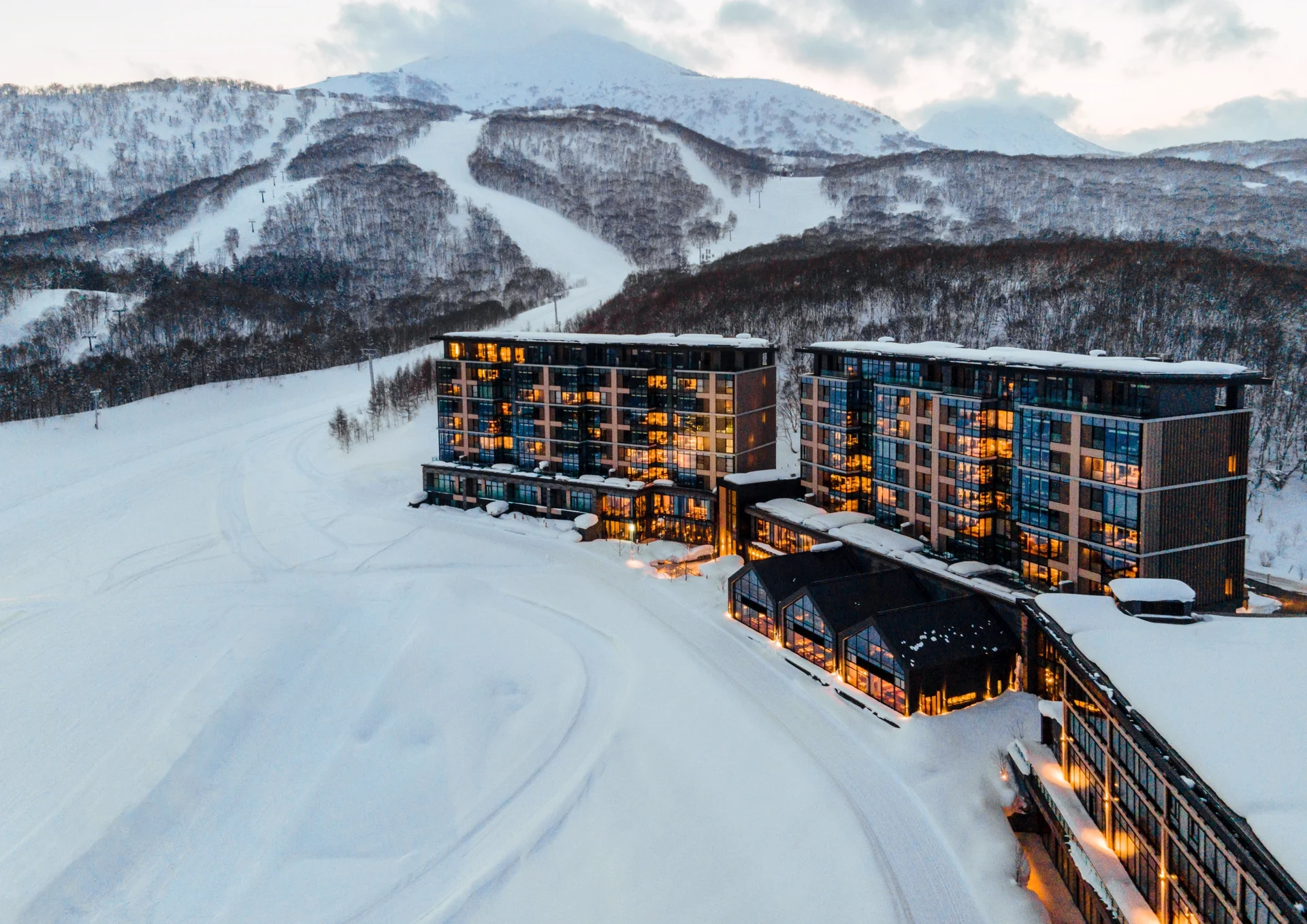
Where powder meets relaxation.
Zaborin
- Forest setting
- Kaiseki masters
- Total privacy
Park Hyatt Niseko
- Mountain views
- Hanazono access
- Spa
Bourou Noguchi
- Private baths
- Gourmet dining
- Lake views
- 01Fresh uni and crab at Otaru harbor
- 02Farm-to-table dairy experiences
- 03Jingisukan lamb barbecue
- 04Sapporo ramen pilgrimage
- 01First tracks on virgin powder
- 02Outdoor onsen in falling snow
- 03Blue Pond's ethereal waters
- 04Lavender fields in summer bloom
Luxury Properties in Hokkaido
Exceptional properties in Hokkaido, selected for their distinction and service
Tours & Activities
Top-rated experiences in Hokkaido
Interested in any experience? Our advisors arrange everything — private access, preferred timing, and seamless coordination with your stay.
Arrange Through AurelleNo planning fees · Complimentary consultation
Frequently Asked About Hokkaido
What is the best time to visit Hokkaido?+
December through March is prime for skiing at Niseko and other resorts, with exceptional powder snow and temperatures ranging from 14°F to 28°F. July and August offer warm weather (64°F to 75°F) perfect for visiting Furano's lavender fields and hiking national parks, though this is peak domestic tourism season with larger crowds. Late September to early October provides a quieter alternative with spectacular autumn foliage. Avoid late April through June when weather is unpredictable and many seasonal attractions remain closed.
How many days do you need in Hokkaido?+
A minimum of 4 nights allows you to cover Sapporo (1 night), a ski resort like Niseko or Furano (2 nights), and one onsen town such as Noboribetsu (1 night). Six nights is more comfortable, adding time for Otaru's canal district, Asahikawa for zoo visits and ramen, or extended skiing. Winter travelers should account for slower road conditions between destinations, sometimes adding 1-2 hours to typical drive times. Flying into New Chitose Airport and arranging private car transfers between regions is the most efficient approach.
What are the best luxury hotels in Hokkaido?+
Park Hyatt Niseko Hanazono offers ski-in/ski-out access with spacious residences featuring private onsens and floor-to-ceiling mountain views. Zaborin near Niseko provides 15 standalone villas, each with indoor and outdoor private hot spring baths and minimalist Japanese design. The Windsor Hotel Toya Resort overlooks Lake Toya with a renowned spa and French dining, located 90 minutes from New Chitose Airport. Book ski properties 6-9 months ahead for peak winter season.
Is Hokkaido safe for tourists?+
Hokkaido is extremely safe with negligible violent crime, though winter driving conditions require caution or hiring professional drivers familiar with snow and ice. Solo female travelers face no particular concerns, and English signage at major tourist sites is adequate. The primary risk is hypothermia or frostbite during winter outdoor activities; always check weather forecasts and inform your hotel of hiking or backcountry plans. Wildlife encounters with brown bears are possible in national parks from May to October, so travel with a guide in remote areas.
Is Hokkaido accessible for travelers with mobility challenges?+
Major hotels like Park Hyatt Niseko and JR Tower Hotel Nikko Sapporo offer wheelchair-accessible rooms with roll-in showers, and Sapporo's subway system has elevators at most stations. However, traditional ryokans with tatami floors and onsen facilities present significant barriers, and winter ice makes sidewalks treacherous even with assistance. Arrange private adapted vehicle transfers in advance through companies like Hokkaido Access Network, as public buses lack wheelchair lifts. Ski resorts have limited accessible options, though sit-skiing can be arranged with advance notice at Niseko.
Is Hokkaido good for families with children?+
Hokkaido works well for families with children aged 5 and up who can handle moderate activity levels and cold weather. Asahiyama Zoo, Shiroi Koibito chocolate factory in Sapporo, and farm visits in Furano engage younger travelers, while teens enjoy skiing and snowboarding. Family-friendly hotels include Hilton Niseko Village with connecting rooms and kids' programs, and Lake Toya properties with outdoor activities. Winter requires proper gear for children including waterproof snowsuits, and be prepared for longer transit times between destinations.
What is the one thing you should not miss in Hokkaido?+
Book a private morning at Tsuruga Resort's outdoor baths overlooking Lake Akan, where you can soak in mineral-rich waters while watching Japanese cranes (tancho) feed along the frozen shoreline from December through March. This experience combines authentic onsen culture with rare wildlife viewing in a setting that most tourists bypass in favor of Niseko or Sapporo. Arrange through the resort concierge at least two weeks ahead, and pair with a visit to the nearby Ainu cultural center.
Journeys that rhyme with this one
Every great destination leads to another. Here are three that share the spirit of where you've been.
Ready to explore Hokkaido?
Let us craft a bespoke journey tailored to what you actually want from it. No planning fees, and a reply inside a day.