Antarctic Peninsula
The White Continent
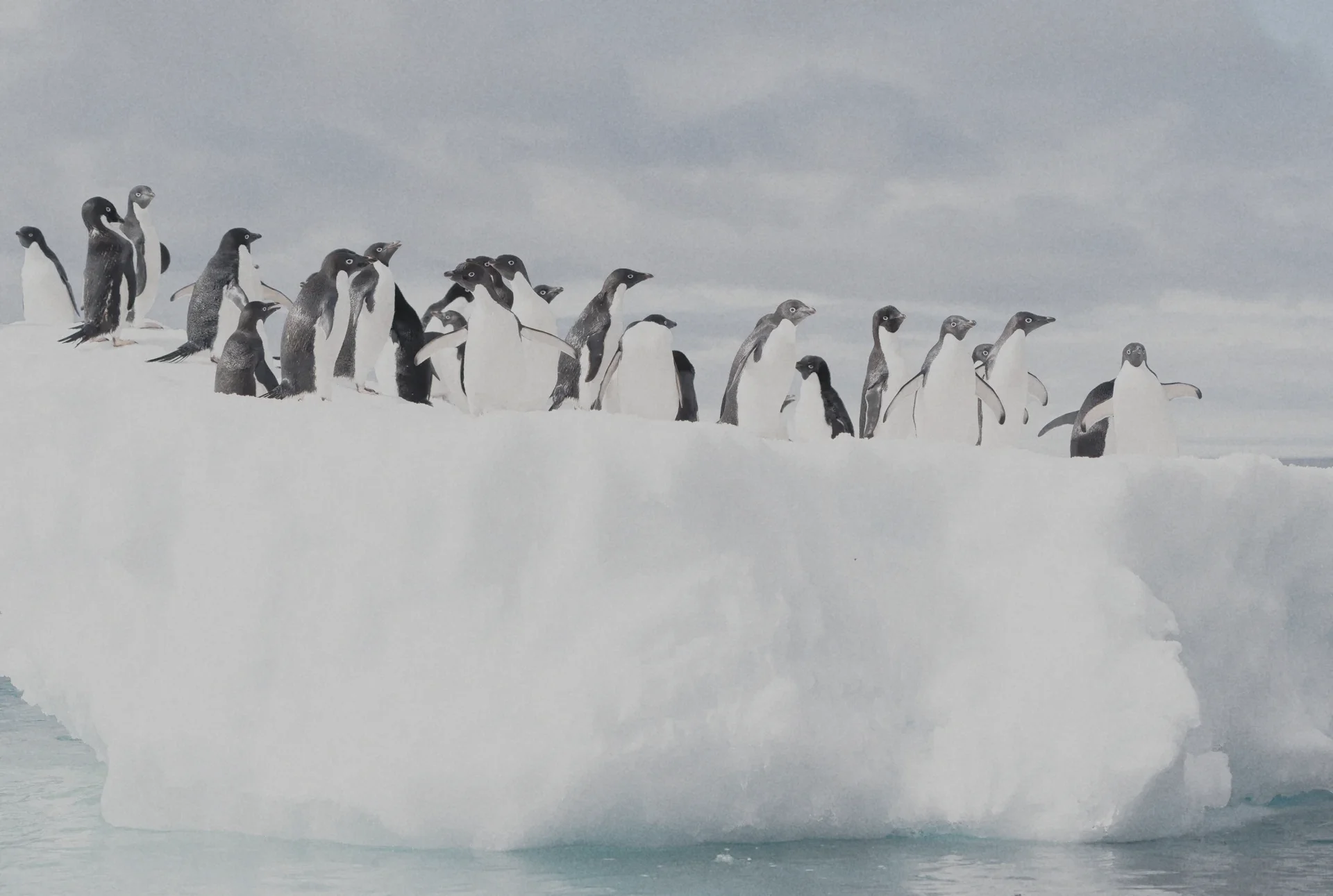
The most accessible part of Earth's last wilderness: where icebergs tower like cathedrals, penguin colonies number in the thousands, and silence is broken only by calving glaciers. The Antarctic Peninsula offers expedition cruising at its most profound.
November to March (Antarctic summer)
10-21 days recommended
Expedition Travelers, Wildlife Enthusiasts, Photographers, Bucket List Seekers
Luxury expedition vessels with zodiac excursions.
Ponant Le Commandant Charcot
The world's first luxury hybrid-electric polar vessel.
- Icebreaker capability
- Blue Eye underwater lounge
- 245 passengers
Scenic Eclipse
Discovery yacht with submarine and helicopters.
- Submarine
- Two helicopters
- All-inclusive luxury
Silversea Silver Endeavour
Ultra-luxury expedition with butler service.
- 200 passengers
- All-suite
- Expedition team
Expedition dining at the end of the world.
- Champagne on the ice
- Barbecue on deck surrounded by icebergs
- Multi-course tasting menus
- Hot chocolate after zodiac excursions
A continent without nations, without permanent inhabitants, only ice and wildlife.
- First iceberg sighting
- Standing among 100,000 penguins
- Complete silence on the white continent
Frequently Asked About Antarctic Peninsula
What is the best time to visit the Antarctic Peninsula?+
November to March is the only viable window, with each month offering distinct advantages. November brings courtship displays and fresh snow; December through January offers 20+ hours of daylight and active penguin chicks; February and March provide excellent whale watching as humpbacks and orcas feed heavily before migration. Temperatures range from 20°F to 50°F, and while this is peak season, you'll encounter fewer than 200 people at any landing site due to IAATO regulations. Book 12-18 months ahead for preferred departure dates.
How many days do you need in the Antarctic Peninsula?+
Plan for 10-14 days minimum, with 14-21 days ideal for a comprehensive experience. A typical itinerary includes 2 days crossing the Drake Passage each way, 6-8 days exploring the Peninsula with twice-daily Zodiac landings, and shore time in Ushuaia for embarkation. Longer voyages (16-21 days) allow for extended routes to the Weddell Sea, South Shetland Islands, or even the Falklands and South Georgia. Factor in an extra day buffer in Ushuaia for weather-related delays.
What are the best luxury hotels in the Antarctic Peninsula?+
The Antarctic Peninsula has no land-based hotels; your expedition ship is your accommodation. Silversea's Silver Endeavour offers all-suite cabins with butler service and a 1:1 guest-to-staff ratio. Seabourn Venture provides veranda suites with luxury amenities and submarines for underwater exploration. For the ultimate experience, consider Scenic Eclipse with its two helicopters for aerial perspectives, spa, and owner's penthouse suites at 2,600 square feet. Choose ships with under 200 passengers for maximum landing time under Antarctic Treaty protocols.
Is the Antarctic Peninsula safe for tourists?+
The Antarctic Peninsula is extremely safe from crime but presents significant environmental risks. The primary concerns are rough Drake Passage crossings (bring strong seasickness medication), cold water immersion risk during Zodiac operations, and unpredictable wildlife requiring 15-foot minimum distances. Solo female travelers face no gender-specific safety issues. Medical screening is required pre-voyage, and ships carry physicians, but medical evacuation can take days. Travel insurance with emergency evacuation coverage ($150,000+ recommended) is essential, and most operators require proof of coverage before embarkation.
Is the Antarctic Peninsula accessible for travelers with mobility challenges?+
Antarctica presents significant accessibility challenges due to wet Zodiac landings over rocky, uneven terrain with no infrastructure. Most expedition ships have elevators and adapted cabins (Scenic Eclipse and Seabourn Venture offer accessible suites), but disembarkation requires climbing in and out of inflatable boats and walking on ice, snow, and slippery surfaces. Some operators allow wheelchair users to participate in Zodiac cruising without landing. Contact expedition companies directly 6-12 months ahead to discuss specific needs, but realistically, passengers must have substantial upper body strength and balance for safe participation.
Is the Antarctic Peninsula good for families with children?+
The Antarctic Peninsula works well for families with children aged 8 and older who can handle cold, long days, and follow strict environmental protocols. Many expedition ships set minimum ages at 8 years (some luxury vessels restrict to 12+), and you'll find few dedicated children's programs. The wildlife encounters, particularly penguins, captivate young travelers, and educational programs by naturalists create exceptional learning opportunities. Choose ships with family cabins or connecting suites like Ocean Explorer or Magellan Explorer. The $15,000+ per person cost makes this a significant investment for family travel.
What is the one thing you should not miss in the Antarctic Peninsula?+
Spend a night camping on the Antarctic ice: one of the most profound experiences available. For $250-$350 supplement, you'll bivvy in a dry bag on the snow, surrounded by absolute silence broken only by calving glaciers and penguin calls. Limited to 50-60 campers per voyage and weather-dependent, so register immediately upon booking. The midnight sun creates surreal light conditions, and waking up on the seventh continent with zero distractions delivers a contemplative experience impossible to replicate. Skip the kayaking supplement if you must choose, camping is transformative.
Expedition Advisory
Antarctic expeditions are subject to weather and ice conditions. Itineraries are flexible by design, allowing expedition leaders to seek the best wildlife encounters and landing opportunities. This is part of the adventure, no two voyages are ever alike.
Journeys that rhyme with this one
Every great destination leads to another. Here are three that share the spirit of where you've been.

Ready to explore Antarctic Peninsula?
This expedition requires advance planning. Let us secure your place on a journey to one of Earth's last frontiers.