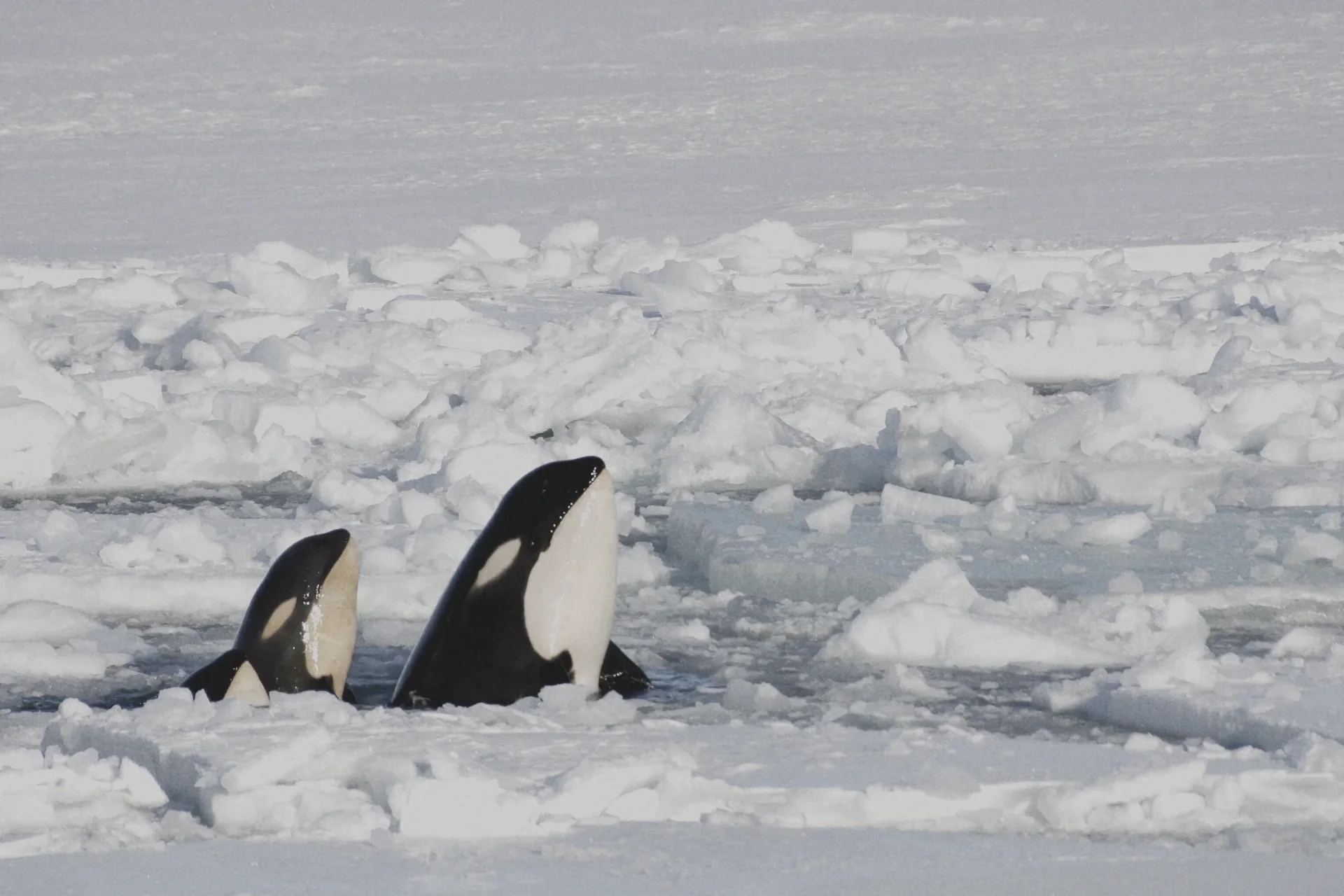
Ross Sea
Deep Antarctica
The most pristine marine ecosystem left on Earth: reached only by the most capable vessels. The Ross Sea offers historic huts of Scott and Shackleton, emperor penguin colonies, and landscapes few humans have ever witnessed.
January to February only
28-35 days
Serious Expeditioners, History Enthusiasts, Photographers, Ultimate Adventure Seekers
True expedition vessels capable of extended polar voyages.
Heritage Expeditions Spirit of Enderby
Purpose-built polar expedition vessel.
- Ice-strengthened
- 50 passengers
- Russian heritage
Ponant Le Commandant Charcot
Only luxury icebreaker capable of this route.
- Icebreaker
- Furthest south
- Luxury amenities
Oceanwide Expeditions
Expedition specialists for remote polar regions.
- Expert guides
- Historic sites
- Small groups
Expedition sustenance on the longest polar voyages.
- Meals overlooking the Ross Ice Shelf
- Celebratory dinner at the Ice Barrier
- Hot drinks at historic huts
- Ship cuisine through pack ice
Antarctica's most remote reaches where time stands still.
- Scott's hut at Cape Evans
- Emperor penguins at Cape Washington
- The Ross Ice Shelf stretching to the horizon
Frequently Asked About Ross Sea
What is the best time to visit the Ross Sea?+
The Ross Sea is accessible only during the Antarctic summer, from January to February, when sea ice breaks up enough for icebreaker ships to penetrate. January offers longer daylight (24-hour sun) and more active wildlife, while February provides slightly calmer seas and better ice conditions for landing. Weather remains extreme with temperatures hovering around -2°C to 5°C. You'll encounter very few other travelers. This is the least visited region of Antarctica, with only a handful of expeditions reaching it each season.
How many days do you need in the Ross Sea?+
A proper Ross Sea expedition requires 28-35 days, significantly longer than standard Antarctic Peninsula trips. This includes 5-6 days crossing the Southern Ocean from New Zealand or Australia each way, with 16-20 days exploring the Ross Sea region itself. Your itinerary will cover the Ross Ice Shelf, McMurdo Station, Cape Adare, Cape Evans, and the Dry Valleys. The extended duration accounts for unpredictable ice conditions that may require route adjustments and the sheer remoteness of this region.
What are the best luxury hotels in the Ross Sea?+
There are no hotels in the Ross Sea. Accommodation is exclusively aboard expedition ships. Heritage Expeditions' Spirit of Endurance and Quark Expeditions' Ultramarine offer the highest-end cabins with private balconies, heated floors, and premium dining. Ponant's Le Commandant Charcot, the only luxury icebreaker reaching the Ross Sea, features suites with butler service, a spa, and fine French cuisine. All vessels must be ice-strengthened or icebreakers to navigate these waters.
Is the Ross Sea safe for tourists?+
The Ross Sea is as safe as Antarctic expeditions get, though inherent risks include extreme cold, rough seas, and complete remoteness. You're 2,000+ miles from nearest hospitals. Ships carry expedition doctors and medical facilities, but serious emergencies require evacuation by military or research station assistance. Pre-trip medical clearance is mandatory, and travelers need excellent fitness for Zodiac transfers and shore landings on ice. Solo female travelers face no specific safety concerns beyond the physical demands. There are no scams or crime, your only dangers are environmental.
Is the Ross Sea accessible for travelers with mobility challenges?+
The Ross Sea is exceptionally challenging for travelers with mobility limitations and most expedition companies decline bookings from wheelchair users. All landings require stepping from Zodiacs onto ice, rocks, or snow with no infrastructure. Ships have stairs between decks, narrow corridors, and thresholds throughout. Le Commandant Charcot has an elevator and wider corridors, but cannot guarantee landings. You must be able to climb in and out of Zodiacs unassisted and walk on uneven, slippery terrain. This destination demands full mobility.
Is the Ross Sea good for families with children?+
The Ross Sea is not recommended for children under 16, and most operators set minimum age requirements of 12-18 years. The extreme duration, rough Southern Ocean crossings (expect severe seasickness), and physical demands of landings make this unsuitable for younger families. No dedicated children's programs exist, and the historical and scientific focus appeals primarily to adults. Teenagers genuinely interested in polar exploration and wildlife can find it transformative, but the $28,000+ per-person cost makes this impractical for most families.
What is the one thing you should not miss in the Ross Sea?+
Standing inside Robert Falcon Scott's hut at Cape Evans is the Ross Sea's most profound experience. Built in 1911, the hut remains perfectly preserved by the cold, with supplies, equipment, and personal items exactly as Scott's team left them before their fatal polar expedition. You can see the specific bunk where Scott slept and the table where he wrote his final letters. This isn't just Antarctic history. It's stepping into a time capsule of human ambition and tragedy. Landings are weather-dependent and strictly limited, making this a privilege few travelers ever receive.
Expedition Advisory
Antarctic expeditions are subject to weather and ice conditions. Itineraries are flexible by design, allowing expedition leaders to seek the best wildlife encounters and landing opportunities. This is part of the adventure, no two voyages are ever alike.
Journeys that rhyme with this one
Every great destination leads to another. Here are three that share the spirit of where you've been.


Ready to explore Ross Sea?
This expedition requires advance planning. Let us secure your place on a journey to one of Earth's last frontiers.