Sacred Valley
Living Inca Culture
The fertile valley between Cusco and Machu Picchu, where Inca terraces still produce quinoa and corn. Traditional markets, salt mines in use for millennia, and communities maintaining ancient traditions. Rio Sagrado follows the Urubamba River through this landscape, its gardens merging with the valley floor so seamlessly that the boundary between hotel and wilderness simply dissolves.
We also arrange Tambo del Inka, Inkaterra Hacienda Urubamba, and the Skylodge cliff suites, with the weavers of Chinchero nearby.
Adventurers · Families · History Buffs · Photographers
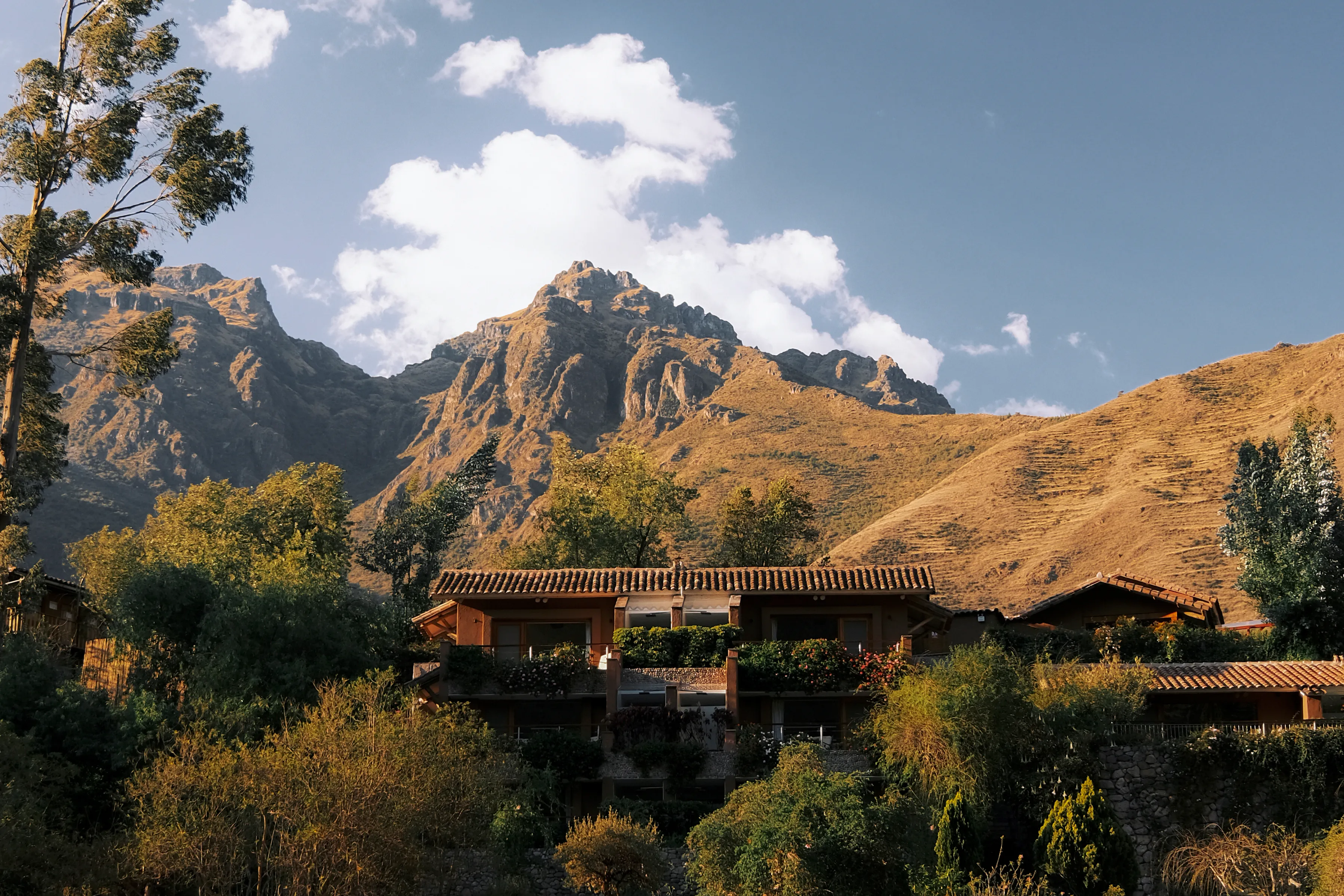
Luxury lodges and haciendas in the verdant valley.
Explora Valle Sagrado
Minimalist design with 30+ guided explorations.
- All-inclusive exploration
- Corn plantation
- Spa
Belmond Rio Sagrado
Along the Urubamba River with mountain views.
- River setting
- Gardens
- Lower altitude
Sol y Luna
Casitas surrounded by gardens with horse program.
- Peruvian Paso horses
- Gardens
- Family friendly
Farm-to-table dining with ingredients cultivated for centuries.
- 01Pisac market Sunday experience
- 02Pachamanca earth oven feast
- 03Chicha de jora tasting at Moray
- 04Lunch at a community-owned restaurant
Circular Inca terraces cut into a natural bowl, each ring its own microclimate.
- 01Moray's circular terraces in morning light
- 02Maras salt mines at golden hour
- 03Ollantaytambo before the crowds
Luxury Properties in Sacred Valley
Exceptional properties in Sacred Valley, selected for their distinction and service
Tours & Activities
Top-rated experiences in Sacred Valley
Interested in any experience? Our advisors arrange everything — private access, preferred timing, and seamless coordination with your stay.
Arrange Through AurelleNo planning fees · Complimentary consultation
Frequently Asked About Sacred Valley
What is the best time to visit Sacred Valley?+
May through October offers the driest weather, with clear skies perfect for photography and outdoor exploration of archaeological sites. June through August sees the highest visitor numbers, particularly around Pisac and Ollantaytambo, while shoulder months of May and September provide excellent conditions with fewer tourists. The rainy season from November to April brings afternoon showers and occasional road closures, though the valley remains green and temperatures stay mild year-round, ranging from 60-70°F during the day.
How many days do you need in Sacred Valley?+
Plan for 2-3 nights to properly acclimatize and explore the valley's main attractions. Day one should focus on gentle acclimatization with visits to Pisac market and ruins, day two can include Ollantaytambo fortress and Moray agricultural terraces, and a third day allows for weaving communities like Chinchero or a leisurely morning before departing to Machu Picchu. The valley sits at 9,000 feet elevation, lower than Cusco, making it an ideal place to adjust before higher-altitude excursions.
What are the best luxury hotels in Sacred Valley?+
Tambo del Inka in Urubamba offers contemporary luxury with its own train station, spa, and riverside location, with rooms from $500 per night. Inkaterra Hacienda Urubamba provides an authentic farm-to-table experience on a working organic plantation with cozy casitas from $450 nightly. Sol y Luna in Urubamba features individual casitas decorated with local art, horse stables for riding excursions, and exceptional service starting at $400 per night.
Is Sacred Valley safe for tourists?+
The Sacred Valley is generally safe, with low violent crime rates, though petty theft occurs in crowded markets like Pisac: keep valuables secure and use hotel safes. Altitude sickness is the primary health concern at 9,000 feet; arrive from sea level at least two days before strenuous activities and avoid alcohol initially. Solo female travelers should use registered taxis after dark and book reputable tour companies. Tap water isn't potable, and travel insurance covering emergency evacuation is recommended.
Is Sacred Valley accessible for travelers with mobility challenges?+
The Sacred Valley presents significant accessibility challenges due to uneven terrain, steep staircases at archaeological sites like Ollantaytambo, and cobblestone streets in most villages. Tambo del Inka offers wheelchair-accessible rooms and facilities, though advance booking is essential. Private vehicles with wheelchair access can be arranged through specialized operators, and while markets and some restaurants have level access, most Inca ruins are not wheelchair-friendly. Travelers with limited mobility should focus on valley viewpoints, textile workshops, and museums rather than climbing ruins.
Is Sacred Valley good for families with children?+
Families with children aged 6 and up will find plenty to engage young travelers, from hands-on weaving workshops to llama encounters and easier archaeological sites. Sol y Luna caters specifically to families with playground areas, horseback riding, and connecting rooms, while most luxury properties provide babysitting services with advance notice. The lower altitude compared to Cusco makes it easier for children to adjust, though parents should monitor for altitude symptoms. Skip strenuous hikes in favor of cultural activities, cooking classes, and the interactive Inkariy Museum.
What is the one thing you should not miss in Sacred Valley?+
Book a private weaving session with master weavers in the village of Chinchero, where you'll learn ancient Inca dyeing techniques using plants, minerals, and insects to create colors that have survived centuries. Unlike crowded market demonstrations, arranging a home visit through your hotel or a specialist guide lets you understand the symbolism woven into traditional textiles while supporting artisan families directly. This intimate cultural exchange reveals more about living Inca traditions than any archaeological site can offer.
Journeys that rhyme with this one
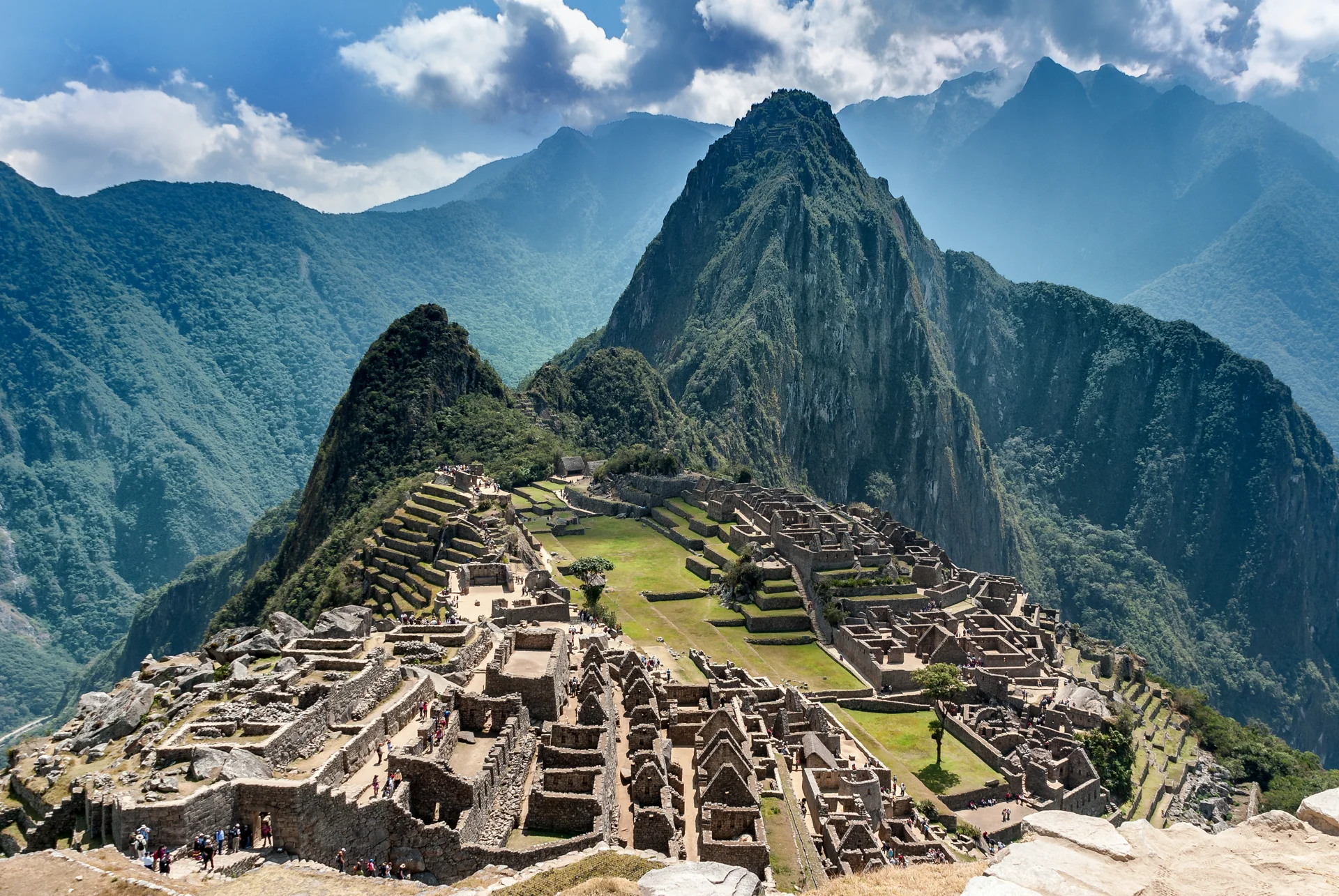
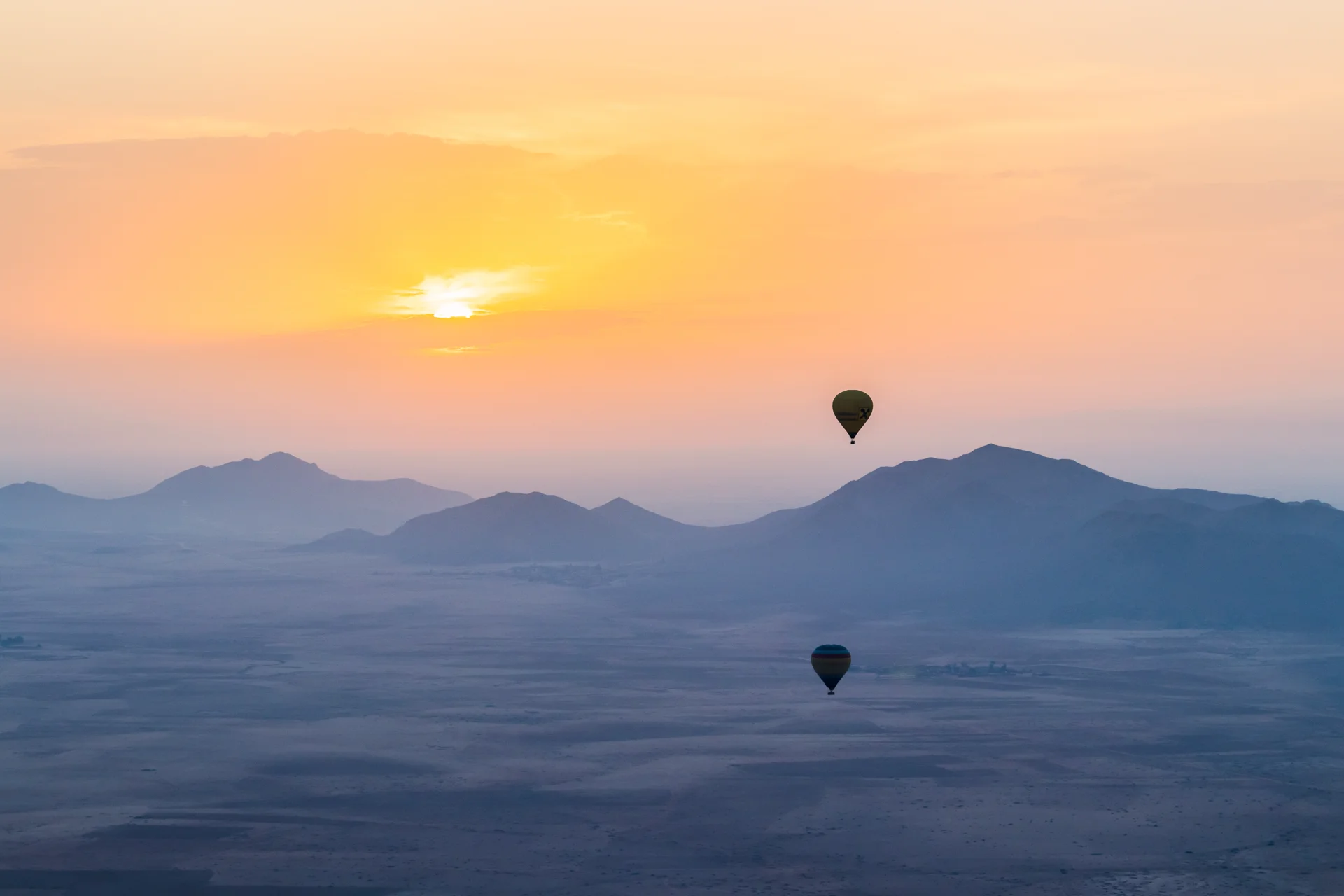
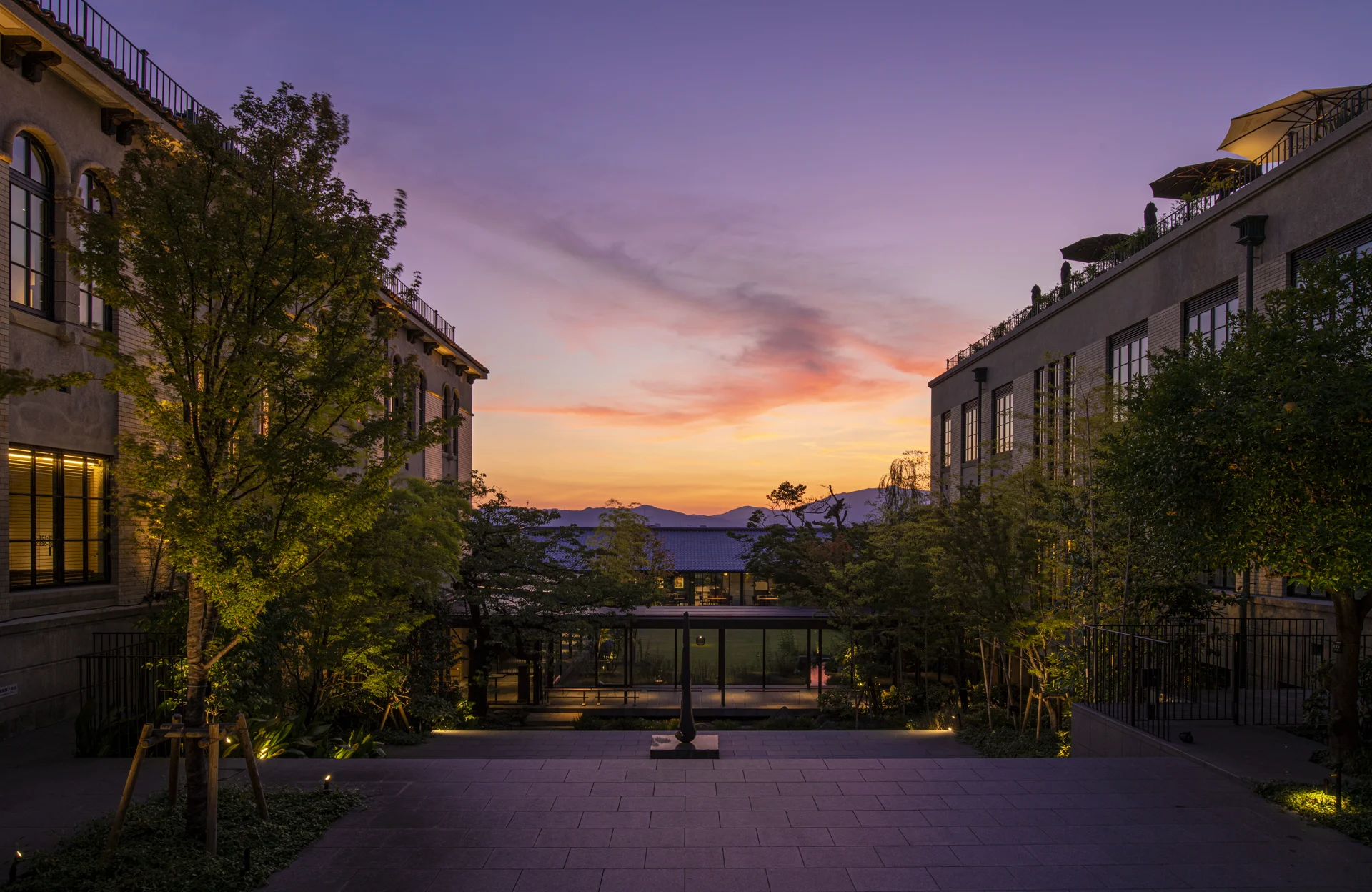
Every great destination leads to another. Here are three that share the spirit of where you've been.
Ready to explore Sacred Valley?
Let us craft a bespoke journey tailored to what you actually want from it. No planning fees, and a reply inside a day.