Kyoto
The ancient capital where tradition breathes in every temple and teahouse.
Kyoto is Japan's cultural heart: home to 2,000 temples, 17 UNESCO World Heritage sites, and traditions that have remained unbroken for over a millennium. Here, geishas still glide through lantern-lit streets and tea ceremonies unfold with the precision of centuries.
We also arrange The Ritz-Carlton and Four Seasons, and quiet mornings at Kinkaku-ji, along the Philosopher's Path, and through Gion, arriving via Kansai (KIX).
Culture Seekers · Photography Enthusiasts · Spiritual Travelers
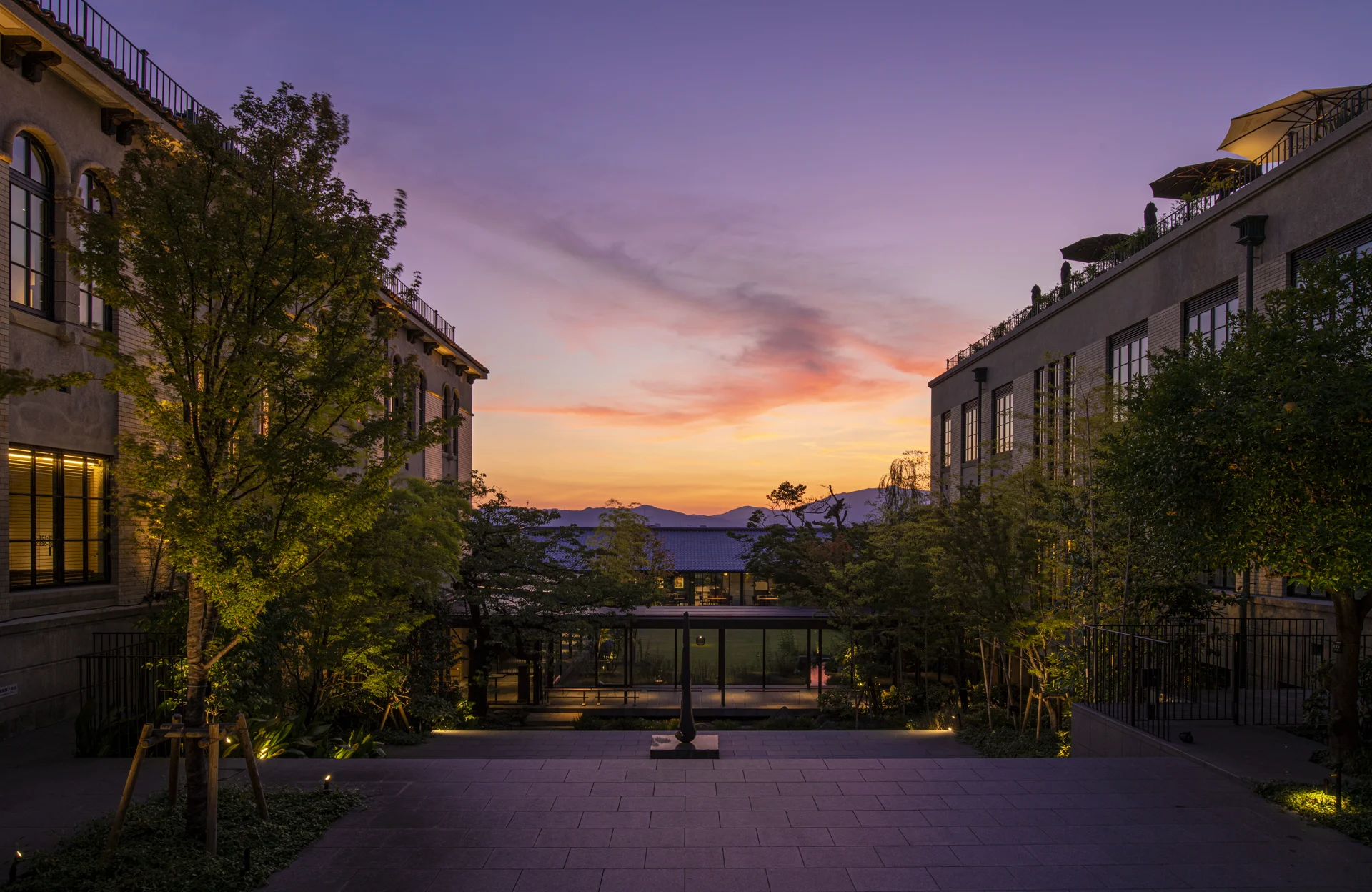
Traditional inns where service is an art form.
Aman Kyoto
- Secret garden
- Private onsen
- Kaiseki dining
Hoshinoya Kyoto
- River arrival
- Tatami suites
- Incense workshops
Tawaraya Ryokan
- Historic rooms
- Garden views
- Legendary service
- 01Multi-course kaiseki poetry
- 02Private tea ceremony with a master
- 03Nishiki Market exploration
- 04Sake tasting in a 300-year-old brewery
- 01Fushimi Inari at 5am, ten thousand torii in solitude
- 02Arashiyama bamboo grove before the crowds
- 03Zen meditation at a private temple
- 04Geisha district at twilight
Luxury Properties in Kyoto
Exceptional properties in Kyoto, selected for their distinction and service
Tours & Activities
Top-rated experiences in Kyoto
Interested in any experience? Our advisors arrange everything — private access, preferred timing, and seamless coordination with your stay.
Arrange Through AurelleNo planning fees · Complimentary consultation
Aurelle Signature Moments
Intimate encounters with art, cuisine, and history\u2014each experience personally arranged by your Aurelle advisor.
Frequently Asked About Kyoto
What is the best time to visit Kyoto?+
March through May offers cherry blossom season with temperatures between 50-70°F, though crowds peak and hotel rates increase 40-60%. October and November deliver spectacular autumn foliage with mild weather around 55-65°F and fewer visitors than spring. Avoid July and August when humidity exceeds 80% and temperatures reach 90°F. Winter (December-February) sees minimal crowds and lower rates, though some temple gardens lose their appeal without foliage.
How many days do you need in Kyoto?+
Plan 4-5 nights to properly experience Kyoto without rushing. Dedicate day one to eastern temples (Kiyomizu-dera, Gion district), day two to Arashiyama bamboo groves and western temples, day three to the northern areas (Kinkaku-ji, Ryoan-ji), and day four for a tea ceremony and crafts workshops. The fifth day allows for a day trip to nearby Nara or deeper exploration of your favorite districts. Three nights feels hurried given the distances between sites.
What are the best luxury hotels in Kyoto?+
The Ritz-Carlton Kyoto delivers contemporary luxury along the Kamogawa River with Tatami suites and a Michelin-starred restaurant. Aman Kyoto sits in a secluded forest garden 15 minutes from central temples, offering 26 pavilions with private onsens and traditional kaiseki dining. Four Seasons Kyoto combines 800-year-old pond gardens with modern accommodations in the Higashiyama district, walking distance to Kiyomizu-dera. Each property arranges private temple visits and cultural experiences unavailable to regular visitors.
Is Kyoto safe for tourists?+
Kyoto ranks among Asia's safest cities with negligible violent crime and extremely low theft rates. Solo female travelers move freely at any hour, though Gion's narrow streets can feel isolated late at night. The main concerns are overheating during summer humidity and navigating crowded tourist areas during peak seasons. Be aware of bicycle traffic in pedestrian zones and occasional aggressive ticket scalpers near Arashiyama. Tap water is safe, no vaccinations are required, and English signage appears at major temples and stations.
Is Kyoto accessible for travelers with mobility challenges?+
Kyoto presents significant accessibility challenges with temple staircases, gravel paths, and limited ramp access at historic sites. The Ritz-Carlton and Four Seasons offer adapted rooms with roll-in showers and wheelchair access throughout. Most buses are low-floor accessible, but subway stations lack consistent elevator coverage. Private accessible van services through companies like Sunrise Tours can be arranged for $400-600 per day. Kinkaku-ji and Fushimi Inari require extensive stair climbing; focus instead on Nijo Castle and the flat Philosopher's Path for easier navigation.
Is Kyoto good for families with children?+
Kyoto works well for families with children ages 8 and above who can appreciate cultural experiences and handle extensive walking (15,000+ steps daily). The Hyatt Regency Kyoto offers connecting rooms and more relaxed dining than traditional ryokans. Arashiyama's monkey park and bamboo forest engage younger visitors, while Nishiki Market allows grazing on familiar foods like tamagoyaki and mochi. Skip lengthy tea ceremonies for children under 12; opt instead for gold-leaf workshops or samurai experiences. Temple visits fatigue children quickly, so limit to 2-3 per day.
What is the one thing you should not miss in Kyoto?+
Book a private early-morning visit to Saiho-ji (Kokedera), the moss temple, which requires advance written application and limits daily visitors to 100. The 120 varieties of moss covering the garden create an otherworldly landscape that tour groups never access, and the required sutra copying ceremony beforehand adds unexpected meditative depth. This experience captures Kyoto's spiritual essence better than crowded Fushimi Inari or Kinkaku-ji. Applications must be submitted 2-3 months ahead with a return postcard to a Japanese address, so work with your hotel concierge.
Journeys that rhyme with this one
Every great destination leads to another. Here are three that share the spirit of where you've been.
Ready to explore Kyoto?
Let us craft a bespoke journey tailored to what you actually want from it. No planning fees, and a reply inside a day.