Tokyo
Where neon dreams meet ancient shrines in the world's most electric city.
Tokyo is a city of infinite layers: Michelin stars hidden in basement izakayas, centuries-old temples shadowed by skyscrapers, and neighborhoods that feel like different worlds. This is where the future is invented while the past is preserved.
We also arrange Janu, Mandarin Oriental, and The Peninsula, and the crossing at Shibuya, arriving via Haneda (HND) or Narita (NRT).
Foodies · Design Lovers · City Explorers
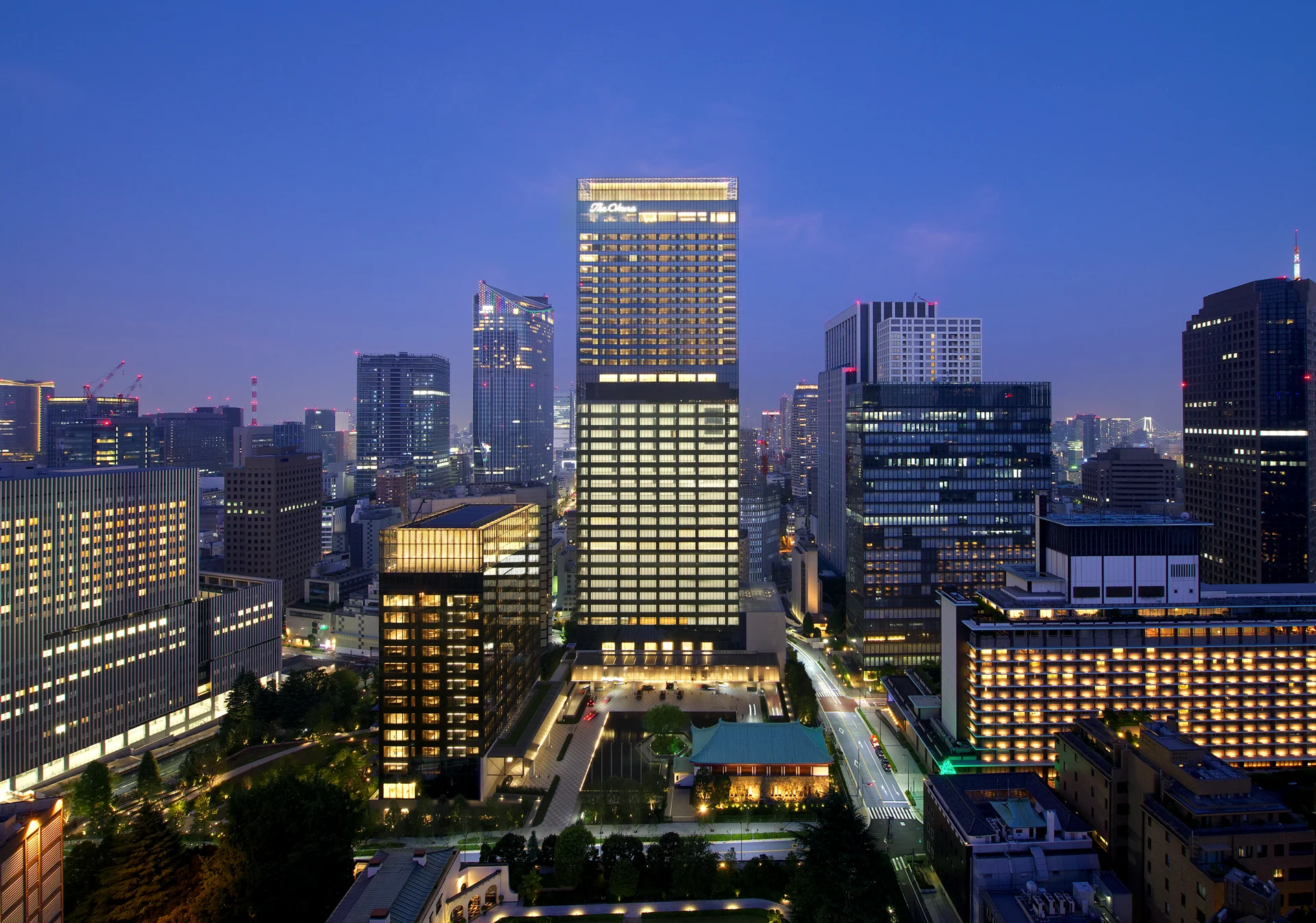
From sky-high luxury to hidden ryokans.
Aman Tokyo
- City views
- Japanese gardens
- Spa sanctuary
Park Hyatt Tokyo
- Shinjuku views
- New York Grill
- Pool with a view
Hoshinoya Tokyo
- Rooftop onsen
- Tatami living
- Tea ceremony
- 01Private omakase at a 6-seat sushi counter
- 02Tsukiji outer market at dawn
- 03Ramen pilgrimage through Tokyo's best bowls
- 04Izakaya hopping in Golden Gai
- 01Meiji Shrine forest walk at sunrise
- 02Senso-ji before the crowds
- 03Teamlab Borderless immersion
- 04Sunset from Tokyo Skytree
Luxury Properties in Tokyo
Exceptional properties in Tokyo, selected for their distinction and service
Tours & Activities
Top-rated experiences in Tokyo
Interested in any experience? Our advisors arrange everything — private access, preferred timing, and seamless coordination with your stay.
Arrange Through AurelleNo planning fees · Complimentary consultation
Aurelle Signature Moments
Intimate encounters with art, cuisine, and history\u2014each experience personally arranged by your Aurelle advisor.
Frequently Asked About Tokyo
What is the best time to visit Tokyo?+
March through May offers cherry blossoms and mild temperatures (55-70°F), while September through November brings fall foliage and comfortable weather (60-75°F). These shoulder seasons mean moderate crowds at temples and restaurants, though Golden Week (late April-early May) gets extremely busy. Summer (June-August) is hot and humid with typhoon risk, while winter is cold but clear, ideal if you don't mind temperatures around 40°F.
How many days do you need in Tokyo?+
Plan for 4-5 nights to properly experience the city. Spend day one exploring Shibuya and Harajuku, day two in traditional Asakusa and the Imperial Palace area, day three in Ginza for shopping and Tsukiji Outer Market, and day four in quieter neighborhoods like Yanaka or a day trip to Nikko or Kamakura. Five nights allows for a deeper dive into Tokyo's diverse dining scene and museum visits without rushing.
What are the best luxury hotels in Tokyo?+
Aman Tokyo in Otemachi offers minimalist Japanese design with soaring 30-foot ceilings and views over the Imperial Palace gardens. The Peninsula Tokyo in Marunouchi combines contemporary elegance with impeccable service and a prime location near Ginza. For traditional ryokan-style luxury, Hoshinoya Tokyo in Otemachi reinterprets the inn experience across 17 floors with tatami rooms and onsen baths, though its urban setting differs from countryside ryokans.
Is Tokyo safe for tourists?+
Tokyo ranks among the world's safest major cities with negligible violent crime and minimal pickpocketing even in crowded areas like Shibuya Crossing. Solo female travelers can comfortably navigate the city day and night, though women-only train cars exist during rush hours to prevent groping. The main concerns are navigating language barriers at smaller establishments and earthquake preparedness: familiarize yourself with building evacuation procedures. Tap water is safe to drink, and no special vaccinations are required.
Is Tokyo accessible for travelers with mobility challenges?+
Tokyo's modern infrastructure makes it reasonably accessible, with most subway stations featuring elevators (though transfers can be lengthy) and trains offering priority seating. The Peninsula Tokyo and Conrad Tokyo provide fully adapted rooms with roll-in showers and lowered fixtures. Sidewalks in areas like Ginza and Shinjuku are generally smooth, but older neighborhoods have narrower paths and steps. Book accessible taxis through your hotel in advance, as Tokyo's regular taxis rarely accommodate wheelchairs, standard vehicles have small trunks.
Is Tokyo good for families with children?+
Tokyo excels for families with children ages 6 and up who can handle public transit and walking 15,000+ steps daily. The Palace Hotel Tokyo and Hilton Tokyo offer connecting rooms and English-speaking staff. Kids enjoy teamLab Borderless digital art museum, Ueno Zoo, and the Pokemon Center. Children under 6 ride subways free, but strollers prove cumbersome during rush hours (8-9am, 6-8pm). Most restaurants welcome children for dinner before 7pm, though traditional sushi counters typically don't.
What is the one thing you should not miss in Tokyo?+
Book an early morning visit to Tsukiji Outer Market (by 6:30am) followed by an 8am sushi breakfast at Sushi Dai or Daiwa Sushi: the quality rivals high-end establishments at one-third the price ($40-50 per person). You'll eat alongside fishmongers and local workers, experiencing Tokyo's food culture at its most authentic. The inner wholesale market relocated to Toyosu, but the outer market's energy and 80+ vendors remain unmatched.
Journeys that rhyme with this one
Every great destination leads to another. Here are three that share the spirit of where you've been.
Ready to explore Tokyo?
Let us craft a bespoke journey tailored to what you actually want from it. No planning fees, and a reply inside a day.