Okinawa
Tropical Japan: turquoise waters, ancient kingdoms, and the secrets of longevity.
Okinawa is Japan's Hawaii, but with a distinct culture shaped by the ancient Ryukyu Kingdom. Home to some of the world's longest-living people, these islands offer pristine beaches, unique cuisine, and a slower pace that feels worlds away from Tokyo.
We also reach the Churaumi aquarium, the outer islands of Ishigaki and Miyako, and the Blue Cave at Cape Maeda, arriving via Naha (OKA).
Beach Lovers · Divers · Wellness Seekers
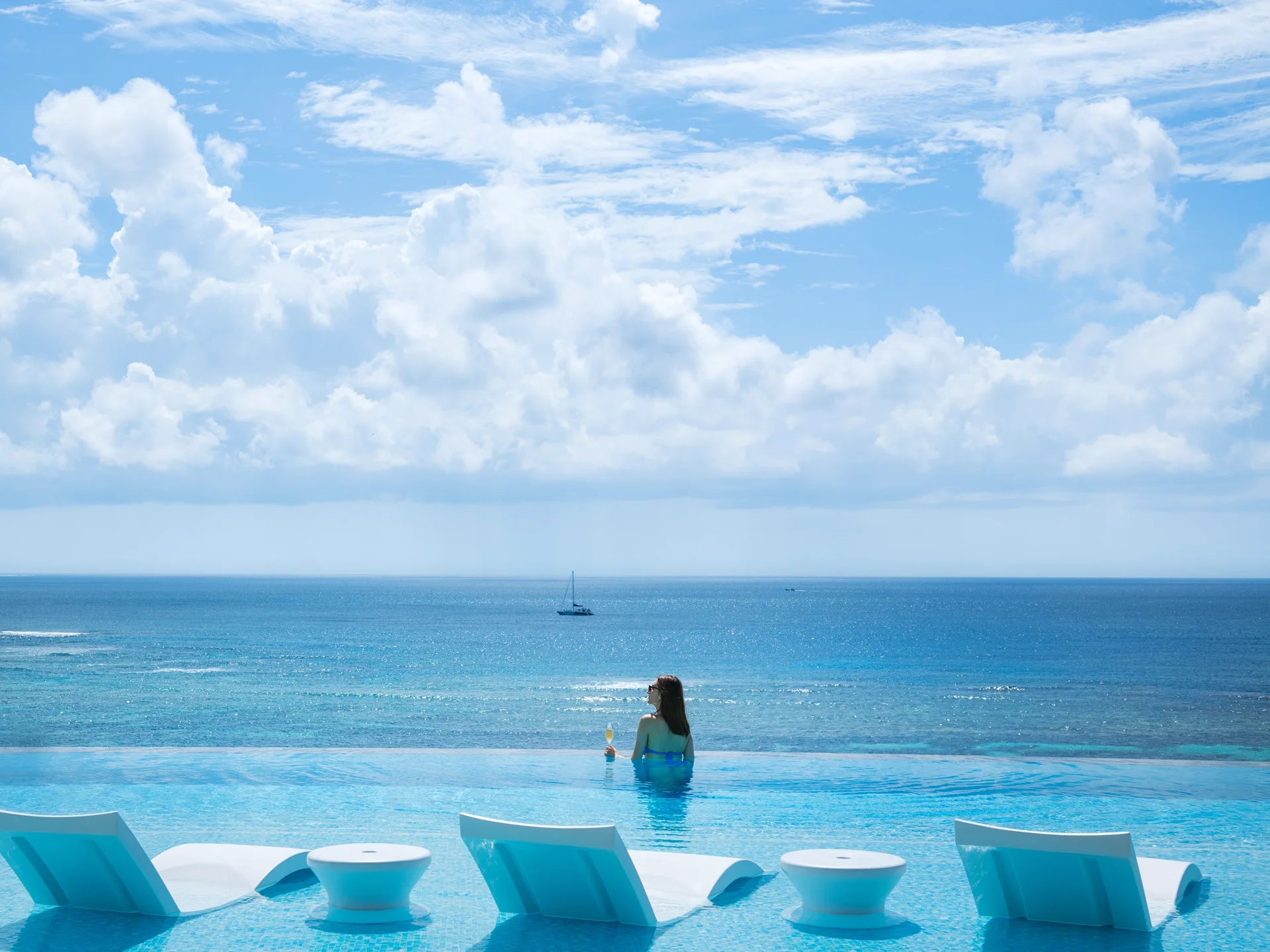
Tropical luxury, Japanese precision.
Hoshinoya Okinawa
- Pool villas
- Private beach
- Ryukyu spa
The Ritz-Carlton Okinawa
- Championship golf
- Ocean views
- Thalassotherapy
Kerama Islands Resorts
- Crystal waters
- Diving paradise
- Total seclusion
- 01Okinawan longevity diet experience
- 02Awamori distillery visits
- 03Goya champuru cooking class
- 04Fresh sashimi on remote islands
- 01Snorkeling in Kerama Blue waters
- 02Shuri Castle at sunset
- 03Traditional Eisa dance performances
- 04Kayaking through mangroves
Luxury Properties in Okinawa
Exceptional properties in Okinawa, selected for their distinction and service
Tours & Activities
Top-rated experiences in Okinawa
Interested in any experience? Our advisors arrange everything — private access, preferred timing, and seamless coordination with your stay.
Arrange Through AurelleNo planning fees · Complimentary consultation
Frequently Asked About Okinawa
What is the best time to visit Okinawa?+
Visit Okinawa from April to June or September to November for ideal weather: warm temperatures (75-85°F), minimal rainfall, and calm seas perfect for diving. July and August bring extreme heat, humidity, and crowds of domestic tourists, while typhoon season peaks in August-September. Winter (December-March) offers fewer visitors and lower prices, but water temperatures drop to 70°F and some beach activities close. Spring also brings the spectacular cherry blossoms, which bloom here in January-February, earlier than mainland Japan.
How many days do you need in Okinawa?+
Plan 4-6 nights to experience Okinawa properly. Spend two nights in Naha exploring Shuri Castle and the Tsuboya pottery district, then three nights in northern Okinawa (Motobu Peninsula or Onna Village) for beaches, diving at the Kerama Islands, and visiting the Churaumi Aquarium. Add an extra night if you want to day-trip to remote islands like Zamami or Tokashiki. This pace allows for relaxation without feeling rushed, which aligns with the island's wellness philosophy.
What are the best luxury hotels in Okinawa?+
The Ritz-Carlton Okinawa in Nago offers 97 rooms with golf course views, an exceptional spa, and indoor-outdoor pools surrounded by subtropical gardens. Halekulani Okinawa in Onna features beachfront sophistication with five pools, including an oceanfront infinity pool replicating its Waikiki sister property. For ultimate privacy, The Busena Terrace provides direct beach access, private balconies in every room, and exceptional kaiseki dining. Each property delivers distinct experiences: golf and wellness, Hawaiian-influenced elegance, or traditional Okinawan hospitality.
Is Okinawa safe for tourists?+
Okinawa is exceptionally safe with very low crime rates, and solo female travelers can explore comfortably at any hour. The primary concerns are natural: typhoons from July-October can disrupt travel plans, and strong UV radiation requires serious sun protection year-round. Ocean hazards include jellyfish (habu kurage) from June-October; beaches provide protective vinegar stations and some hotels offer protective suits. Tap water is safe to drink. The US military presence is significant but doesn't impact tourist safety, though occasional protests occur near bases in Naha and Ginowan.
Is Okinawa accessible for travelers with mobility challenges?+
Okinawa's accessibility is mixed: major hotels like The Ritz-Carlton and Halekulani offer accessible rooms with roll-in showers and ramps, while Naha's newer monorail stations have elevators and tactile paving. However, traditional sites like Shuri Castle involve significant stairs, beaches have soft sand challenging for wheelchairs, and many restaurants occupy second floors without elevators. Rent an accessible vehicle in advance through specialized services like Nippon Rent-a-Car's welfare vehicle division. Churaumi Aquarium provides excellent accessibility including wheelchair rentals and accessible viewing areas.
Is Okinawa good for families with children?+
Okinawa excels for families with children aged 4 and up, offering calm beaches, the outstanding Churaumi Aquarium, and cultural experiences like Ryukyu Village. The Busena Terrace and Rizzan Sea-Park Hotel provide kids' clubs, connecting rooms, and beach activities including snorkeling in protected areas. Children appreciate the approachable marine life, sea turtles, tropical fish, and glass-bottom boat tours, without needing scuba certification. Most restaurants welcome children, offering familiar foods alongside local cuisine. The main challenge is transportation; renting a car is essential as public transit is limited outside Naha.
What is the one thing you should not miss in Okinawa?+
Book a traditional Ryukyu cooking class with a local elder in a private home, learning to prepare goya champuru and other island dishes while discussing the region's longevity secrets: food philosophy, stress reduction, and community connection. These intimate experiences, arranged through your hotel concierge or services like Okinawa Cooking Studio, provide genuine cultural insight beyond typical tourist activities. You'll understand why Okinawans live longer than almost anyone on earth, and the lessons extend far beyond recipes. Most classes run 3-4 hours and cost $120-180 per person including market visits.
Journeys that rhyme with this one
Every great destination leads to another. Here are three that share the spirit of where you've been.
Ready to explore Okinawa?
Let us craft a bespoke journey tailored to what you actually want from it. No planning fees, and a reply inside a day.