The Lavender Hours
Provence in Slow Motion
There is a conspiracy in Provence between the light and the landscape to make you believe that time has stopped. The sun hits the limestone at a particular angle, the cicadas establish their rhythm, the market stalls arrange their tomatoes in rows of descending ripeness, and suddenly it is three in the afternoon and you have done nothing except eat, drink, and look at things — which, in Provence, constitutes a full and productive day.
This is not laziness. It is a philosophy of attention that the region has been perfecting since the Romans built their villas here and discovered that the combination of climate, soil, and light produced not just good wine and good olives but a good life. Cézanne understood it. Van Gogh went mad trying to paint it. Peter Mayle wrote a book about it that sent a generation of Anglophone tourists to the Luberon, where they discovered that the French had been keeping this particular secret for centuries.
The Markets
Where Provence performs itself
The Provençal market is not a place to buy things, although you will buy things. It is a performance of regional identity: the olive vendor who insists you taste six varieties before purchasing; the cheese woman who explains, with the seriousness of a professor, the difference between a two-week and a three-month chèvre; the lavender sachets, the hand-painted ceramics, the baskets of just-picked figs that you know you will eat before you reach the car.
L’Isle-sur-la-Sorgue on Sunday is the canonical market experience — antiques along the river, food stalls in the centre, cafés spilling onto every available surface. But the smaller village markets — Gordes on Tuesday, Lourmarin on Friday, Apt on Saturday — offer something the larger ones cannot: the possibility of being the only visitor, of buying your lunch from someone who grew it that morning, of understanding that this is not a tourist attraction but a twice-weekly necessity that has been happening here since the Middle Ages.
The Luberon
Hill towns and the geometry of stone
The Luberon is Provence distilled: a chain of villages perched on limestone ridges, connected by roads that were clearly designed by someone who believed the journey should include as many hairpin bends and unexpected views as possible. Gordes, with its cascade of stone houses tumbling down the cliff face, is the most photographed and the most visited, which means you should arrive early or late — the village at dawn, before the tour buses, is genuinely magnificent.
Bonnieux, Ménerbes, Lacoste, Roussillon — each village offers its own variation on the Luberon theme of stone, light, and view. Roussillon adds colour: the ochre cliffs that surround the village turn the buildings shades of rust, salmon, and burnt orange that look hand-painted. The Sentier des Ocres, a walking trail through the quarries, is the single best hour you can spend in the Luberon, preferably in the late afternoon when the low sun sets the cliffs on fire.
The Lavender
Mid-June to mid-July, and not a day longer
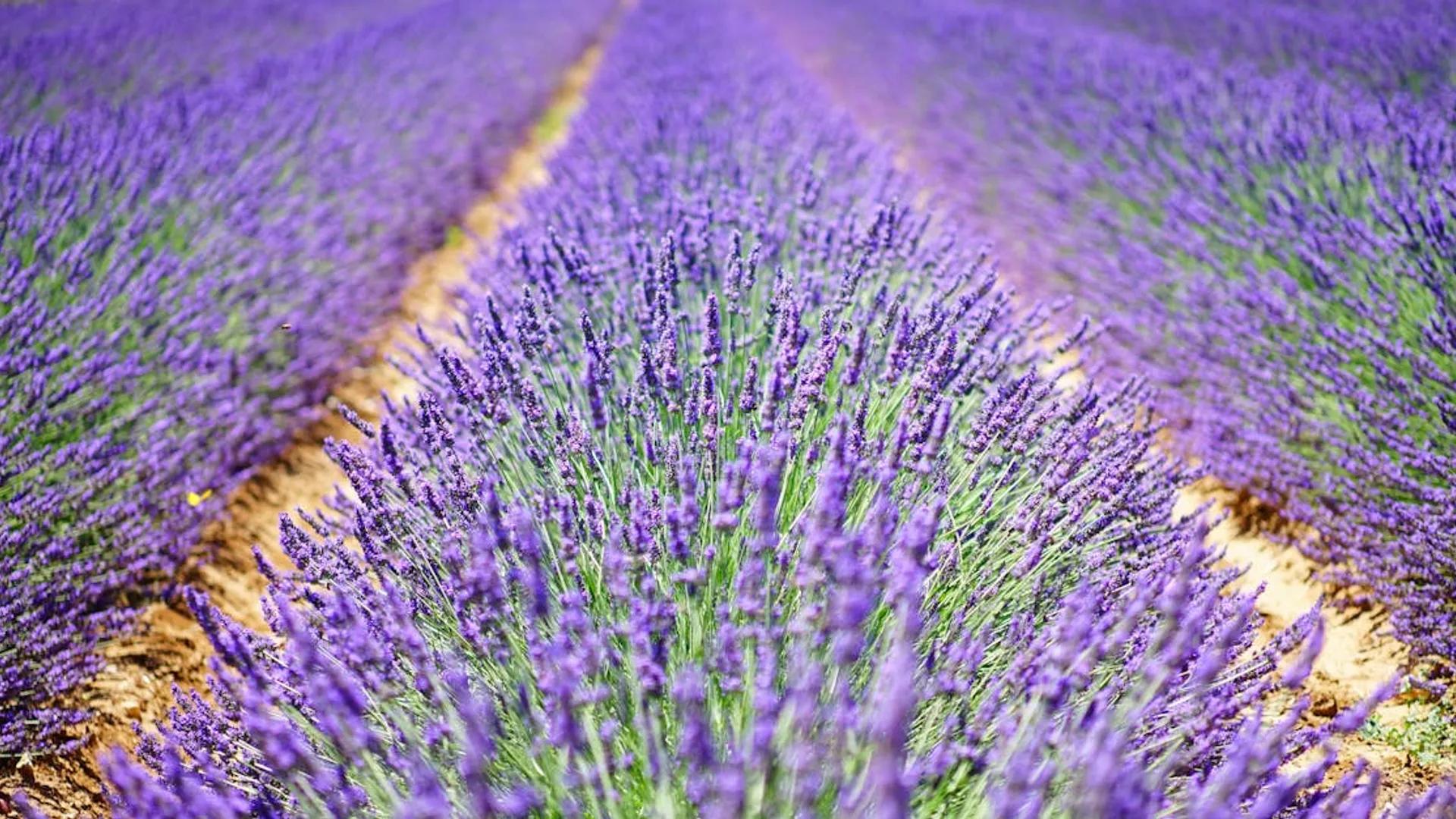
Lavender season in Provence is brutally short and precisely timed. The fields around the Abbaye de Sénanque, Valensole, and Sault reach peak bloom in late June and are harvested by mid-July. Miss the window and you will find stubble. Hit it, and you will understand why this particular flower — not especially beautiful up close, not especially rare — has become the defining image of Provence: in full bloom, a lavender field does not look like a field at all. It looks like the landscape has decided to become a colour.
The scent is the thing that photographs cannot capture and memory cannot quite reconstruct. Stand at the edge of a lavender field at the moment when the morning sun releases the essential oils, and the air becomes thick with a perfume that is simultaneously calming and intoxicating. It is the smell of a place that knows exactly what it is and has no interest in being anything else.
The Rosé Hours
From the vine to the afternoon
Provençal rosé is not a serious wine. This is precisely its genius. It is the wine of the afternoon, the market, the terrace, the slow hour between lunch and whatever comes next. It is pale — the Provençaux say it should be the colour of a ballet slipper — and dry, and best served cold enough that condensation forms on the glass, which you hold by the stem while looking at something beautiful, which in Provence is everything.
The best rosé comes from the same appellations that produce the region’s red wines: Bandol, Cassis, Côtes de Provence. Visit a domain during the quiet months of spring or autumn, when the winemaker has time to talk and the tasting room is not crowded with summer visitors, and you will discover that Provençal rosé is, in fact, a serious wine. It is simply a serious wine that does not take itself seriously, which is the most Provençal quality of all.
Our concierge team at Aurelle designs itineraries tailored to your pace and preferences.
Reach Our Concierge