The Unhurried Season
Europe’s Rivers When the Crowds Recede
The Rhythm
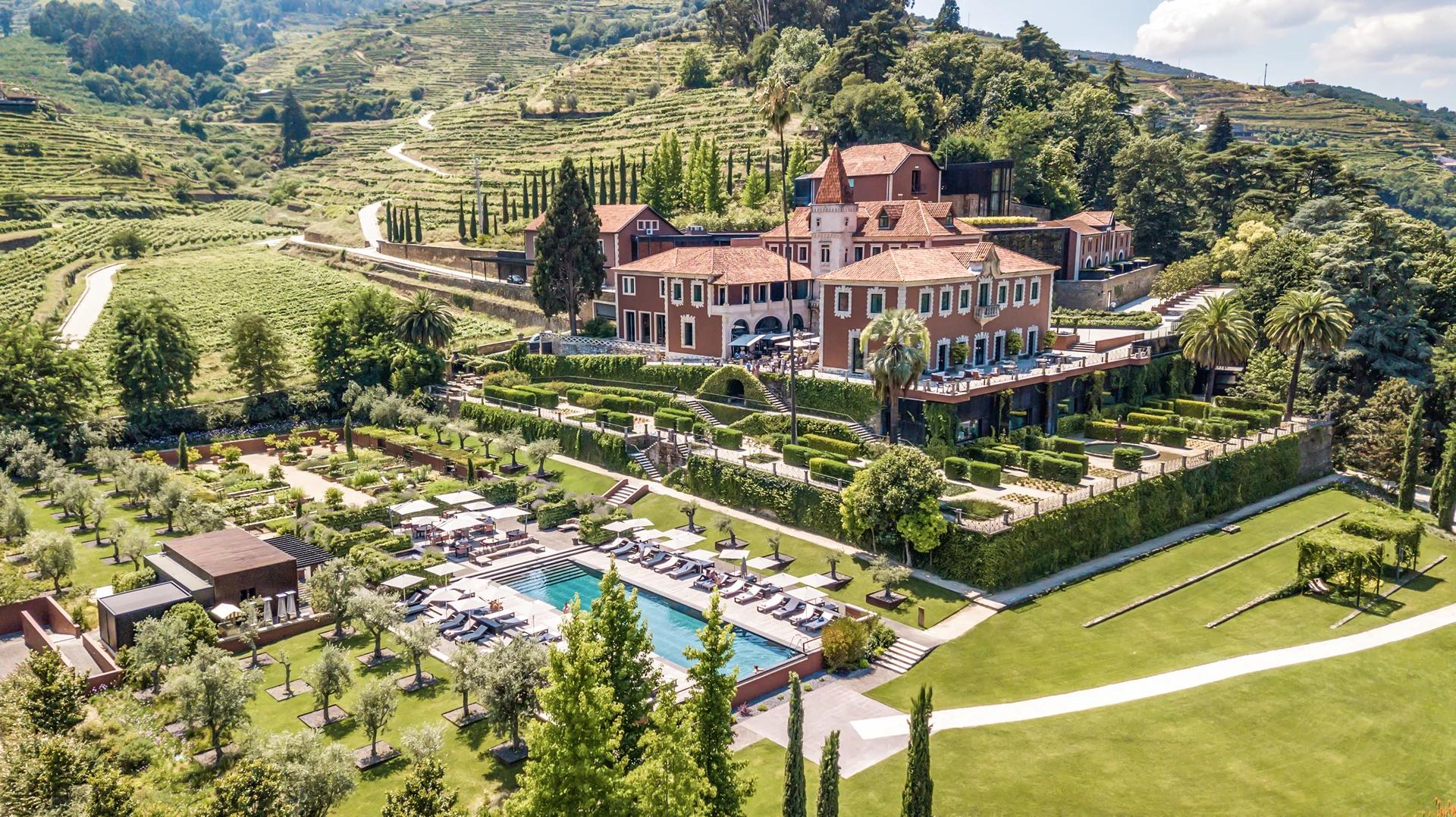
There is a moment in late September, somewhere between Porto and Pinhão, when the terraced hillsides of the Douro Valley shift from summer’s deep green to something more honest. Gold and burnt sienna creep into the vine rows. The air carries the faint sweetness of grapes being gathered by hand, as they have been for centuries, along slopes so steep that no machine can follow. A river cruise ship rounds a bend, its wake barely disturbing the reflection of a hillside quinta. The passengers on deck have not spoken for several minutes. There is nothing to say that the landscape hasn’t already expressed.
This is shoulder season. Not a discount. Not a compromise. An orientation.
According to the Globus family of brands, which surveyed over 25,000 North American travelers for their 2026 Trend Report, three-quarters now prefer to travel outside peak season, prioritizing what they describe as comfort, authenticity, and better pacing over traditional vacation calendars. On Europe’s rivers, that preference is not merely a matter of avoiding crowds. It is a way of seeing differently.
The Douro in Harvest Light
The Douro River cruise season stretches from March through November, but the valley reveals different versions of itself in the margins. In late September and October, the traditional grape harvest—the vindima—transforms the region into something closer to ceremony than agriculture. At family-owned quintas, workers move through terraced vineyards that climb at angles that seem to defy cultivation, cutting clusters by hand, sometimes still treading grapes by foot in stone lagares that have served this purpose for generations.
The light at this time of year is particular: lower, warmer, casting the schist-walled terraces in tones of amber and ochre that have made this UNESCO-designated landscape a favorite of photographers who know to arrive after the tour buses have departed. Temperatures settle into the low to mid-twenties Celsius—warm enough for long afternoons on the sun deck, cool enough for the vineyard walks that shore excursions offer in ports like Pinhão, Régua, and the hilltop medieval village of Castelo Rodrigo.
For those who prefer spring’s quieter arrival, March and April bring almond and cherry blossoms along the valley’s slopes—soft pinks and whites against the emerging green—at shoulder-season pricing. May bridges the gap, with average highs reaching 21°C and the valley in full bloom before the summer crowds arrive.
Most Douro itineraries run seven nights, round-trip from Porto, traveling upstream to the Spanish frontier and back at a pace dictated by the river’s five locks and a Portuguese regulation that prohibits night navigation. The result: hours of unhurried cruising through one of Europe’s most dramatic landscapes, with every sunrise and sunset viewed from the water.
The Seine, After the City Exhales
If the Douro rewards the traveler who arrives for the harvest, the Seine rewards the one who waits for Paris to stop performing. Late September through October, when the capital’s summer frenzy has subsided and the plane trees along the quais begin their turn to gold, the river becomes something closer to the one Monet knew when he set up his easel at Giverny—though note that Monet’s gardens close for the season in early November.
Seine cruises typically run from Paris to the Normandy coast, a journey that unfolds through landscapes of a particularly French intimacy: the limestone cliffs at Les Andelys beneath the ruins of Château Gaillard, the half-timbered quarter of Rouen where Joan of Arc’s story ended, and the pastel-hued harbor of Honfleur, which has been painted so many times that seeing it in person feels less like discovery than recognition.
Autumn on the Seine brings Calvados season in Normandy, when the apple orchards yield their fruit to the press and the countryside smells of fermenting cider. Fewer visitors at Versailles mean the private apartments can be appreciated at something closer to the pace they were designed for. The weather remains mild—September averages around 20°C in Paris—and the golden light on the river’s surface makes the approach to every small town feel like entering a painting that hasn’t dried yet.
The Rhône, Where Spring Arrives First
While the Douro and Seine find their truest expression in autumn, the Rhône and Saône offer a compelling case for early spring. Flowing from Lyon through the heart of Burgundy and Provence to the Mediterranean, these rivers traverse some of France’s most celebrated wine regions—the Côtes du Rhône, Beaujolais, and the vineyards around Mâcon—at a time when the vines are just awakening.
April and May sailings on the Rhône avoid the intense summer heat that pushes inland temperatures above 30°C and offer a version of Provence that feels inhabited rather than visited. The twice-weekly market in Arles, where Van Gogh found his light, operates without the shoulder-to-shoulder press of high season. The medieval city of Avignon can be explored at a pace that allows for the kind of accidental discovery—a courtyard, a bakery, a particular quality of afternoon shade—that defines the best of slow travel.
AmaWaterways reports strong demand for their Flavors of Burgundy itinerary on the Saône, an eight-day sailing between Dijon and Lyon created for travelers drawn to French food and wine culture. Riverside Luxury Cruises names their Rhône River Roaming, from Lyon to Avignon, as their most popular European itinerary for 2026. The message from the industry aligns with what the Globus data reveals: travelers are choosing atmosphere over calendar convention.
The Rhine, Before the Christmas Markets
The Rhine deserves mention not for its autumn—though the castle-lined gorge between Koblenz and Rüdesheim is undeniably beautiful as the vineyards turn—but for the late-season opportunity that has driven what Globus reports as 18% year-over-year growth in off-season sailings with Avalon Waterways. Late November and December bring the Christmas market cruises that have become, for many, a quintessential river cruise experience.
But the quieter proposition may be early spring on the Rhine, when the Riesling vineyards are a vivid green against the grey stone of medieval fortresses, and the towns along the Middle Rhine UNESCO corridor—Bacharach, Oberwesel, St. Goar—have not yet populated their outdoor café terraces with tour group flags. The gorge, which feels theatrical in summer, becomes contemplative when you have it largely to yourself.
A Note on Timing
For the Douro, September and October offer harvest atmosphere; March through May offer value and spring blossoms. The Seine is at its finest in September and October, with Giverny open until early November. The Rhône and Saône reward April and May travelers before the Provençal heat arrives. The Rhine’s shoulder window falls in March through April and again in late October through November. Across all rivers, ships are purpose-built and generally smaller than ocean vessels, carrying between 96 and 190 guests—an intimacy that the shoulder season only deepens.
The Return
There is a reason three-quarters of travelers have begun to choose the quieter months, and it has nothing to do with price—though the savings are real. It is that a river, unlike a city, cannot be crowded. It moves at the same pace regardless of how many people are watching. But when fewer people are watching, you notice more: the way the light changes as you pass through a lock, the sound of church bells reaching you across the water, the particular silence of a vineyard in the early morning before the harvest begins. These rivers have been here for centuries. They do not need your peak season. They are, if anything, better without it.
Our sister brand, Anigra Voyages, curates small-group river journeys along each of these waterways—the Douro in harvest season, the Seine through autumn Normandy, the Rhône into spring Provence, the Rhine before the Christmas markets. Each departure is limited to sixteen travelers, because intimacy is not a luxury on a river. It is the point.
Our concierge team at Aurelle designs Porto itineraries tailored to your pace and preferences.
Reach Our Concierge