Thimphu
The capital without traffic lights, where tradition governs modernity.
Thimphu is the world's only capital without traffic lights: a city where national dress is required for citizens, dzongs tower over valleys, and the weekend market draws farmers from across the kingdom. Here, tradition and modernity coexist on Bhutan's terms.
We also arrange Pemako and the Dochula pass, with the takin preserve above the capital.
Culture Seekers · Art Lovers · Photographers
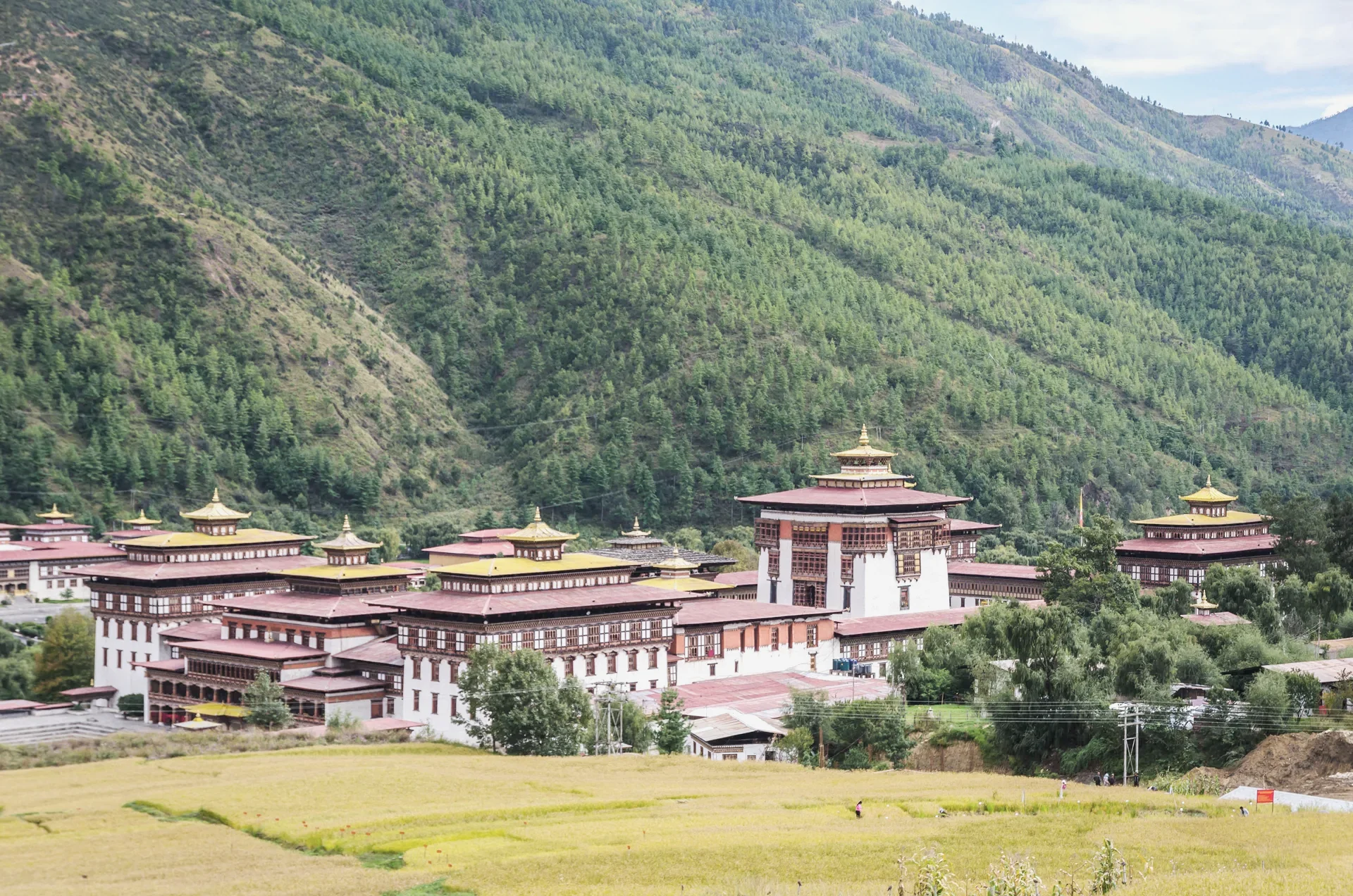
City convenience, mountain views.
Amankora Thimphu
- Valley views
- Library
- Spa
Six Senses Thimphu
- Tashi Chho Dzong views
- Wellness programs
- Local experiences
Taj Tashi
- Central location
- Dzong style
- Multiple dining
- 01Weekend market grazing
- 02Royal cuisine tasting
- 03Local ara spirits
- 04Farm-to-table experiences
- 01Buddha Dordenma at sunset
- 02Tashi Chho Dzong
- 03Traditional paper making
- 04Folk heritage museum
Luxury Properties in Thimphu
Exceptional properties in Thimphu, selected for their distinction and service
Frequently Asked About Thimphu
What is the best time to visit Thimphu?+
March through May and September through November offer the most favorable conditions for exploring Bhutan's capital. Spring brings rhododendron blooms and temperatures between 50-68°F, while autumn delivers crystal-clear mountain views and festival season. Winter (December-February) can drop to freezing with snow, and summer monsoons (June-August) bring heavy rain that obscures mountain vistas. Tourist numbers remain relatively low year-round due to Bhutan's sustainable tourism policy requiring a minimum daily spend.
How many days do you need in Thimphu?+
Two to three nights allows proper exploration without rushing through Thimphu's cultural sites. Spend day one visiting the National Memorial Chorten, Folk Heritage Museum, and traditional paper-making factory. Day two should include the Tashichho Dzong fortress, National Textile Museum, and Buddha Dordenma statue overlooking the valley. Use a third day for a cooking class or day hike to Cheri Monastery. Most travelers combine Thimphu with Punakha and Paro for a complete Bhutan itinerary of 7-10 days.
What are the best luxury hotels in Thimphu?+
Amankora Thimphu sets the standard with 16 suites featuring traditional bukhari stoves, floor-to-ceiling windows overlooking the valley, and private meditation spaces. Six Senses Thimphu offers contemporary Bhutanese design across 20 suites with in-room spa treatments and a focus on wellness programs. Le Méridien Thimphu provides more accessible luxury with 78 rooms, central location near Clock Tower Square, and the capital's most sophisticated dining. Each property arranges private cultural experiences with monks, astrologers, and local artisans.
Is Thimphu safe for tourists?+
Thimphu ranks among Asia's safest capitals with virtually no violent crime and minimal theft. Solo female travelers face no significant concerns beyond standard precautions. The primary health consideration is altitude, at 7,710 feet, spend your first day acclimating gently and stay hydrated. Tap water isn't potable, so use filtered or bottled water. There are no scams to speak of; Bhutanese culture emphasizes honesty, and all tourism must be arranged through licensed operators who are government-regulated and highly professional.
Is Thimphu accessible for travelers with mobility challenges?+
Thimphu presents significant accessibility challenges due to steep terrain, multi-story dzongs without elevators, and minimal wheelchair infrastructure. Le Méridien Thimphu offers the most accessible option with elevator access and adapted rooms, while heritage properties like Amankora have steps throughout. Most temples and museums involve stairs and uneven surfaces that cannot be modified. Private vehicles with driver assistance can be arranged through tour operators, and some ground-floor cultural experiences are possible, but travelers requiring full accessibility should carefully discuss limitations with operators before committing to Bhutan.
Is Thimphu good for families with children?+
Thimphu works well for families with children aged 10 and up who can handle temple visits and cultural immersion, but younger children may struggle with the pace and altitude. Le Méridien and Pemako Thimphu offer family rooms and can arrange child-friendly activities like archery lessons and traditional arts workshops. The National Zoo (housing the takin, Bhutan's national animal) and weekend market provide engaging diversions. Keep in mind that Bhutan's minimum daily spend applies to children over five years old, making family trips considerably expensive.
What is the one thing you should not miss in Thimphu?+
Attend the evening prayer ceremony at Tashichho Dzong, when hundreds of monks in burgundy robes file through the fortress courtyard as horns echo across the valley. Most tourists visit during the day, but the real magic happens at dusk (around 5-6 PM depending on season) when the dzong becomes an active spiritual center rather than a sightseeing stop. Your guide can arrange special permission to observe from a respectful distance. The haunting chants and architectural drama in fading light reveal why Bhutanese Buddhism remains a living tradition, not a museum piece.
Journeys that rhyme with this one
Every great destination leads to another. Here are three that share the spirit of where you've been.
Ready to explore Thimphu?
Let us craft a bespoke journey tailored to what you actually want from it. No planning fees, and a reply inside a day.